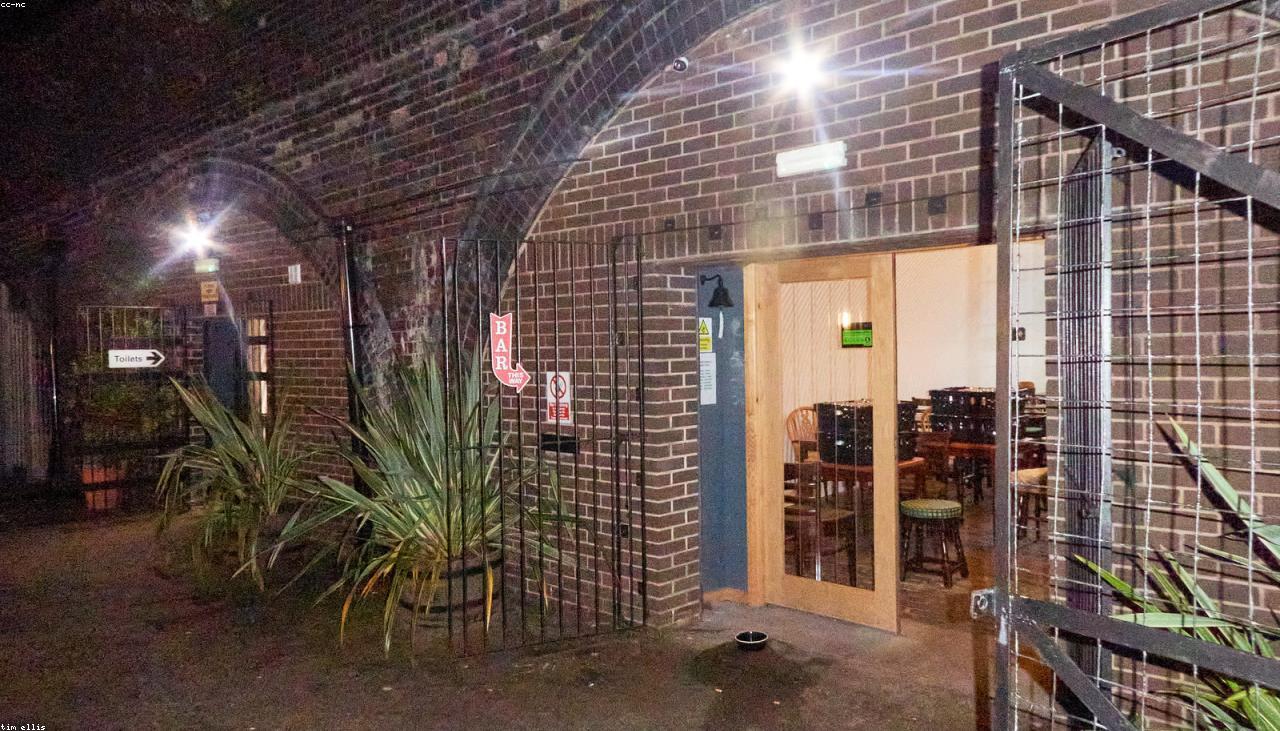
Micropubs in the UK: 2026 Operator’s Guide
Last updated: 11 April 2026
Most people still think a pub has to serve food to survive — but micropubs have turned that assumption on its head over the last decade. A micropub is a small, independently owned drinking establishment focused entirely on wet sales, typically with no kitchen, no gaming machines, and no sports screens. The first modern micropub opened in 2005, and by 2026 there are hundreds operating across the UK, from rural villages to city centres. The real insight is this: micropubs succeed not because they do everything, but because they do one thing exceptionally well — they create an atmosphere where conversation and community matter more than turnover. If you’re considering opening a micropub or already running one, you need to understand that the business model is fundamentally different from a traditional wet-led pub, and the operational challenges are completely distinct. This guide covers everything from startup costs to daily operations, equipment choices, and the specific mistakes micropub operators make when they don’t think differently about staffing, stock, and systems. Keep reading to discover why pub management software designed for traditional venues often fails in a micropub environment.
Key Takeaways
- A micropub is a small, independently owned wet-led venue with no kitchen, gaming machines, or sports screens, designed to maximise profit per square foot on beverage sales alone.
- Micropubs typically operate with a single bar counter, 10–20 covers standing room, minimal staff (often just the owner plus one part-time), and focus entirely on cask ales, craft beers, and spirits.
- Your EPOS system must support offline trading, quick cash reconciliation, and beer rotation tracking — standard bar POS systems are often too complex and slow for micropub throughput.
- The biggest operational mistake micropub owners make is trying to run systems designed for 50-cover restaurants; micropubs need stripped-down, fast, reliable equipment that gets out of the way.
What Is a Micropub?
A micropub is a small, independently owned wet-led establishment focused entirely on alcoholic beverage sales, with no kitchen, no food service, no gaming machines, and no entertainment screens. Most micropubs are owner-operated, serve between 10 and 20 people standing comfortably, and trade on the principle that the landlord is present every session. They’re designed around cask ales, craft beers, and quality spirits — not high-volume generic lager.
The micropub model emerged in the UK around 2005 as a direct response to the decline of traditional community pubs and the rise of chain venues. The concept was simple: take a small, cheap space (often a former shop, post office, or betting shop), install a small bar counter, stock it with local and interesting beers, and let the landlord’s personality be the main attraction. No deep fryers. No fruit machines. No background music. Just conversation.
By 2026, micropubs have become a genuine alternative to traditional wet-led pubs. They exist in high streets, village centres, and city neighbourhoods. The best ones develop a reputation for quality beer, regulars who know each other, and an owner who is physically present during trading. That last point matters: a micropub operator who isn’t in the pub most evenings is running at a fundamental disadvantage, because the customer experience is based on personal relationships, not corporate systems.
Micropubs vs Traditional Pubs: Key Differences
The first mistake traditional pub operators make when considering a micropub is assuming it’s just a scaled-down version of what they already do. It isn’t. The business model, operational rhythm, and staffing structure are completely different.
Space and Covers
A traditional wet-led pub might occupy 2,000–3,000 square feet with separate bar, lounge, and function areas. A micropub typically uses 400–800 square feet — often a former retail unit — with a single open space, one bar counter, and standing room for 10–20 people. The entire customer experience happens in one room. This means you can see and interact with every customer from behind the bar, but it also means there’s nowhere to hide when you’re understaffed or quality slips.
Food Service
A traditional pub kitchen handles wet and dry sales simultaneously: meals, snacks, bar food, kitchen tickets during service. A micropub has no kitchen at all. Some provide crisp, nuts, olives, or cheese from behind the bar — no cooking. This is liberating from an operational perspective: no HACCP, no kitchen staff, no food costs, no waste. But it also means your entire revenue comes from drink sales alone, so your margins need to be stronger and your stock turnover more disciplined.
Staffing
A traditional pub with a kitchen might employ 8–15 staff across front of house and kitchen, working shifts. Many micropubs operate with the owner on bar every evening, plus one or two part-time bar staff (typically 16–20 hours per week). pub staffing cost calculator tools designed for traditional venues underestimate the savings here — a micropub might run with a total payroll of £1,500–£2,000 per week, while a traditional pub spends £4,000+. However, the owner’s time is not free, and micropub burnout is real when the landlord becomes the bottleneck.
Gaming and Entertainment
Traditional pubs often rely on fruit machines, gaming tables, pool, darts, and sports screens to drive footfall and dwell time. Micropubs deliberately exclude all of this. No machines, no screens, no poker nights. The entertainment is the environment itself and the conversation between customers. This keeps costs low but means you’re competing on atmosphere and beer quality, not entertainment value.
Stock Rotation and Cask Management
A traditional wet-led pub might stock 20–30 different drinks across multiple suppliers, with slower-moving items gathering dust. A micropub typically stocks 6–10 cask ales on rotation, 4–6 craft beers, a small spirit range, and basic soft drinks. Every item rotates regularly. This means lower stock holding, less waste, faster cash conversion, but also tighter vendor relationships — you can’t afford to upset your cask ale supplier if they account for 40% of your sales.
Setup Costs and Space Requirements
One reason micropubs have grown is because the startup capital is significantly lower than a traditional pub. If you’re looking at launch costs, you’re typically looking at £15,000–£30,000 for a properly equipped micropub, depending on location and the state of the space.
Space Costs
Rent varies wildly by location. A small shop unit in a village might be £200–£400 per week. The same size unit on a high street in a major city could be £800–£1,500. The key is finding a space that’s prominent (corner units, high footfall areas), has reasonable floor loading (beer is heavy), and doesn’t require substantial renovations. Many micropubs launch in former betting shops, newsagents, or estate agent offices — spaces that required minimal alteration because they already had a counter and changing rooms.
Bar Equipment
A functional micropub bar needs: a small back bar with beer font (typically 2–4 taps), a till system, one or two cask coolers (crucial for cask ale), a spirit shelf, glassware, bar mats, and pumps. Budget £3,000–£6,000 for a properly equipped bar setup. Do not skimp on the cask cooler — warm cask ale will kill your reputation in weeks. For pub temperature control, a cask cooler running at 52–55°F is non-negotiable.
Till and Payment Systems
This is where many micropub operators make expensive mistakes. They install a full restaurant EPOS system (designed for table orders, multiple terminals, kitchen integration) when what they actually need is a fast, simple, reliable till that processes cash and card payments and reconciles at the end of service. A basic iPad POS or a traditional electronic till costs £500–£1,500. A full EPOS system costs £2,000–£4,000 and adds complexity you don’t need. The advantage of a simpler system is speed — when three customers are waiting and you need to ring up drinks in 30 seconds, you don’t want to navigate menu trees and kitchen screens.
Soft Costs
Premises licence application: £100–£190. Initial stock (beer, spirits, soft drinks): £2,000–£3,500. Glassware and smallwares: £500–£1,000. Initial marketing and signage: £500–£1,000. Professional fees (accountant, solicitor): £1,000–£2,000. Total soft costs: £5,000–£7,500.
Rule of thumb: budget £20,000–£25,000 as a realistic minimum for a properly equipped micropub in a secondary location, or £30,000–£40,000 in a prime high street location. These figures exclude rent deposits, working capital, and your own living expenses during the first 8–12 weeks while you build customer base.
Stock Management in Micropubs
Stock management in a micropub is fundamentally different from a traditional pub because you’re working with a much smaller range and faster turnover. The constraint is not how much beer you can store — it’s how much you can sell before it oxidises or goes out of fashion.
Cask Ale Rotation
Most micropubs stock 6–10 cask ales on rotation. A cask has a shelf life of about 3 weeks once it’s been tapped. If you’re selling a cask a day, that’s fine. If you’re selling a cask every 5 days, you’re at risk of quality degradation. This means your cask supplier relationship is critical. Work with a local brewery or cask distributor who understands your turnover and can supply smaller volumes frequently. Do not commit to 10 casks a week if you’re only selling 6. Dead stock is pure cost.
Track cask movement in a simple spreadsheet or your till system. Note what casks are moving fast, what’s sitting on the bar, and what’s building up in the cellar. Most micropub operators develop an instinct for this after 4–6 weeks, but until then, record every pint sold by type. This data is worth money — it shows which beers your customers actually want.
Craft Beer and Bottled Stock
Bottled and canned craft beers move more slowly than cask, so hold 20–30 lines maximum. Focus on local breweries and established brands that have proven shelf appeal. Check expiry dates weekly — nothing damages a micropub’s reputation faster than serving flat or stale beer.
Stock Holding and Cash Tied Up
A traditional pub might hold £4,000–£6,000 in stock at any given time. A micropub typically holds £1,500–£2,500. This is a significant advantage: less cash tied up, faster inventory turns, lower wastage. The trade-off is that you’re reordering more frequently (2–3 times per week instead of once weekly) and you need strong vendor relationships.
Waste and Spillage
In a micropub, spillage and waste are immediately visible — you’re feet away from every pour. Typical waste in a wet-led pub runs 3–5% of turnover. In a well-run micropub, you should target 1–2%. That’s a meaningful difference at the profit line. Track waste visually every evening. If you notice excessive spillage or short pours, it’s a staff issue that needs addressing immediately.
One insight from running a community pub: most waste happens because staff are distracted or rushing. In a micropub with just one or two bar staff, you can catch this immediately. That’s an advantage traditional pubs don’t have.
The Micropub Staffing Model
This is where micropub economics get interesting — and where many operators struggle operationally.
Owner-Operator Model
The most successful micropubs operate with the owner present during the majority of trading hours, backed by 1–2 part-time bar staff. This is not optional. If you’re opening a micropub expecting to hire a manager to run it while you work elsewhere, you’ve misunderstood the model. Micropub customers are paying partly for the owner’s personality and partly for the beer. Absent owner = no competitive advantage.
A typical staffing pattern: owner working 5–6 evenings per week (4–6 hours each), plus one 16–20 hour part-time bar staff member covering some evening shifts and lunchtime sessions. Weekend sessions might need both owner and part-time staff. Midweek daytime sessions might run with just the owner or just the part-time staff member. Total payroll cost: £600–£900 per week, plus your own labour at (probably) zero initial wages.
Training and Turnover
Bar staff in micropubs need to know your cask ale range, be able to describe beers to customers, and understand your stock rotation. They also need to be personable — they’re part of the customer experience. Invest 4–6 hours in training a new bar staff member. Focus on product knowledge (what are the ales you’re serving right now?), till operation, and customer interaction.
Turnover in micropubs is typically lower than traditional pubs because the work is less chaotic, hours are more predictable, and the part-time staff member often becomes a regular social fixture. But when turnover does happen, retrain quickly and thoroughly. A staff member who doesn’t know your ales or makes customers feel rushed damages the entire proposition.
The Owner Burnout Problem
This is the operational challenge no one talks about. Many micropub owners burn out after 18–24 months because they’re working 5–6 evenings per week, doing all the ordering, managing finances, cleaning, and social media, with zero days off. The business model works because the owner is present, but that presence comes at a personal cost. Plan for this. Set a schedule where you take one evening off per week, minimum. Hire your part-time staff to cover that evening. Yes, it cuts into profit — but it’s the difference between a sustainable business and burnout.
Till Systems and Payment Processing
This is where micropub operators often make expensive mistakes by adopting systems designed for restaurants.
What Micropubs Actually Need
A micropub till system must process drinks sales quickly (under 30 seconds per customer), support offline trading if internet fails, reconcile cash easily at close of play, and track beer movement by type. It does not need: table management, kitchen integration, split bills, delivery driver tracking, inventory forecasting, or staff clock-in. Yet many operators install full EPOS systems (like those used in traditional pubs) that include all of this and add 10 seconds to every transaction.
For comparison, when evaluating EPOS systems for Teal Farm Pub in Washington, the critical test was Saturday night performance — a full house, card-only payments, multiple staff on bar simultaneously. Most systems that looked polished in a demo struggled when three staff were hitting the same terminal during last orders. For a micropub, this matters even more because you’re working with minimal staff and maximum speed pressure.
Till Options for 2026
Basic Electronic Till (£400–£900): A standalone till that records transactions, supports cash and card, prints receipts. No internet connection required. Fast. Simple. Reliable. Suitable for micropubs that don’t need detailed analytics. Downside: minimal reporting, no integration with accounting software.
iPad POS System (£500–£1,500): Cloud-based POS on a tablet, designed for fast-moving venues. Examples include Square, Lightspeed, or Toast. Advantage: quick setup, flexible, detailed sales reporting, integrates with accounting. Disadvantage: requires stable internet (though most have offline mode), small screen if you need to see multiple items, subscription fees (typically £50–£100 per month).
Full EPOS System (£2,000–£4,000 initial, £80–£150 monthly): Systems like Touchpoint or Systemsup. These are designed for traditional pubs with kitchens and multiple terminals. For a micropub, they’re overkill. You pay for kitchen integration, floor plans, and reporting you’ll never use. The interface is slower because it’s built for complex workflows.
For most micropubs, an iPad POS or basic electronic till is the right choice. pub IT solutions guide documentation often assumes a traditional wet-led pub — read reviews from actual micropub operators before purchasing.
Payment Processing
In 2026, card payments dominate in micropubs. Budget for card processing fees of 1.5–2.5% (depending on your provider). Most customers pay by card, so cash handling is minimal. Keep your float to £100–£200 at the start of service. Reconcile cash daily. Bank takings 2–3 times per week.
One practical point: in a micropub, you’ll spot cash discrepancies immediately because till volumes are lower and staff numbers minimal. If the till is £20 short one evening, you know it happened that shift with those two staff members. Use this visibility to catch training issues early.
Integration with Accounting
Your till system should link to your accounting software (Xero, FreeAgent, QuickBooks). This saves 2–3 hours per week on manual data entry. An iPad POS is typically better at this than a standalone till. Ask the vendor specifically about Xero integration before purchasing. pub profit margin calculator tools are helpful for planning, but your actual margin is calculated from real till data and stock counts — make sure your system captures this accurately.
Pricing Strategy in Micropubs
Micropub margins are typically higher than traditional pubs because you have no kitchen and minimal waste. A traditional wet-led pub targets 20–25% gross profit on drinks. A well-run micropub should target 25–30%, sometimes higher.
Cask Ale Pricing
Price cask ales by ABV and quality, not by cost. A 4.2% session ale might sell for £4.50–£5.50 per pint. A 6.5% premium ale might sell for £5.50–£6.50. A rare or seasonal ale might command £6.00–£7.00. Your supplier cost is typically 50–55% of the price you charge.
The pub drink pricing calculator can help you model this, though you should also check what competing micropubs and traditional pubs are charging locally. In a village, you might charge £4.80 for a pint. In a city centre, £5.50–£6.00 is standard.
Craft Beer and Bottled Premium
Bottled craft beers typically have a 30–35% cost of goods, so you can price them at 35–40% markup. A £2.00 bottle cost becomes a £3.50–£3.80 retail price. Customers expect to pay more for craft beer — it’s positioned as premium.
Spirit and Cocktail Pricing
Most micropubs keep spirits simple — quality brands, no elaborate cocktails. A 25ml spirit with a mixer sells for £4.50–£5.50, depending on the spirit. Cost is typically 30–40% of price, leaving 60–70% gross margin. These are your most profitable drinks, so be generous with pours and ensure customers feel the quality.
📊 Your EPOS tells you what sold. Pub Command Centre tells you whether you made money.
Real-time labour %, cash position and VAT liability in one dashboard. Built by a working pub landlord. £97 once, no monthly fees. 30-day money-back guarantee.
Frequently Asked Questions
What is the difference between a micropub and a traditional pub?
A micropub is a small, independently owned venue (typically 400–800 sq ft) focused exclusively on wet sales with no kitchen, no gaming machines, and no entertainment screens. A traditional pub is larger (2,000+ sq ft), serves food, employs multiple staff across front and back of house, and includes gaming and entertainment. Micropubs operate on tight margins with owner-operator management; traditional pubs rely on volume and diversified revenue streams.
How much does it cost to open a micropub in the UK?
A fully equipped micropub typically costs £20,000–£40,000 to launch, depending on location. This covers lease deposit (typically 4–6 weeks rent), bar equipment (£3,000–£6,000), till system (£500–£1,500), initial stock (£2,000–£3,500), premises licence and professional fees (£1,500–£3,000), and working capital for the first 8–12 weeks. Prime high street locations command higher setup costs; village locations are typically cheaper.
Can a micropub be profitable without food service?
Yes. A well-run micropub focuses entirely on beverage margins, which are typically 25–30% gross profit — higher than a traditional wet-led pub because there’s no kitchen labour, food waste, or HACCP compliance. The key is tight stock management, consistent customer throughput, and the owner’s presence to maintain customer relationships and quality standards. A micropub generating £2,500–£3,500 per week in takings, with strong margins and low staffing costs, can be more profitable than a larger traditional pub.
What till system is best for a micropub?
For most micropubs, an iPad POS system (Square, Lightspeed) or a basic electronic till is ideal — fast, reliable, and simple. Full EPOS systems designed for restaurants add unnecessary complexity and slow down transactions. An iPad POS costs £500–£1,500 initially and £50–£100 monthly, and integrates well with accounting software like Xero. A basic till costs less upfront but offers minimal reporting. Test the transaction speed during busy periods before purchasing; a micropub needs to ring up drinks in under 30 seconds.
How many staff does a micropub need?
Most micropubs operate with the owner present 5–6 evenings per week, supported by one part-time bar staff member working 16–20 hours weekly. Weekend sessions may need both owner and part-time staff; quieter midweek daytime sessions might run with just one. Total payroll is typically £600–£900 per week. This low staffing cost is a key competitive advantage, but it also means the owner must be actively involved — an absent owner undermines the entire business model.
You now understand the micropub model — but running one profitably means having systems that keep pace with your pace, not slow you down.
Take the next step today.
For a working example with real figures, the Pub Command Centre is used daily at Teal Farm Pub (Washington NE38, 180 covers) — labour runs at 15% against a 25–30% UK average.