Last updated: 13 April 2026
Most people think they know what a pub is until they try to run one. The word “pub” gets thrown around for any venue serving alcohol—but a traditional UK pub is something distinctly different from a bar, club, or gastropub. It’s a licensed premise built on wet sales (draught beer, ciders, spirits), community gathering, and a specific cultural identity that has shaped British social life for centuries. If you’re considering taking on a pub tenancy, buying a freehold, or simply understanding what makes British hospitality unique, you need to understand what “traditional” actually means in 2026. This article breaks down the real definition, how traditional pubs operate, what they’re licensed to do, and why their character matters commercially.
Key Takeaways
- A traditional UK pub is a licensed premises primarily serving draught beer, ciders, spirits, and soft drinks, with food as secondary to wet sales.
- Traditional pubs hold a premises licence under the Licensing Act 2003, which defines permitted activities—alcohol service, entertainment, food, and recorded/live music depending on conditions.
- Wet-led pubs generate 60%+ of turnover from drinks; food-led pubs have flipped this model and now dominate the sector.
- Community function—quiz nights, sports events, local meetings—is central to traditional pub identity and revenue protection during quiet periods.
What Defines a Traditional UK Pub
A traditional pub is a licensed venue where draught beer, cider, and spirits form the primary revenue stream, distinguished by social purpose, local ownership patterns, and a specific cultural role in British community life.
This definition matters because it separates traditional pubs from other hospitality venues. A pub is not a nightclub—it typically closes by 11pm or midnight. It is not a restaurant—food, when served, is secondary to drinks. It is not a hotel bar—it exists first and foremost for the local community, not transient guests. And it is absolutely not a café, despite what some marketing departments claim.
The physical and operational signatures of a traditional pub include:
- A bar counter where customers order and pay for drinks—this is the centre of the space, not a secondary service point
- Draught beer lines, usually between 4 and 12 taps, serving real ale, lager, cider, or stout
- Optics behind the bar for spirits (vodka, gin, rum, whisky) and liqueurs
- A till system designed around speed of wet service, not complex food ordering (though this is changing with EPOS)
- Seating arranged in separate sections—a snug, a lounge, a public bar—or open plan, but designed for conversation, not table service dining
- Entertainment tied to community engagement: quiz machines, pool tables, darts, or a quiz night
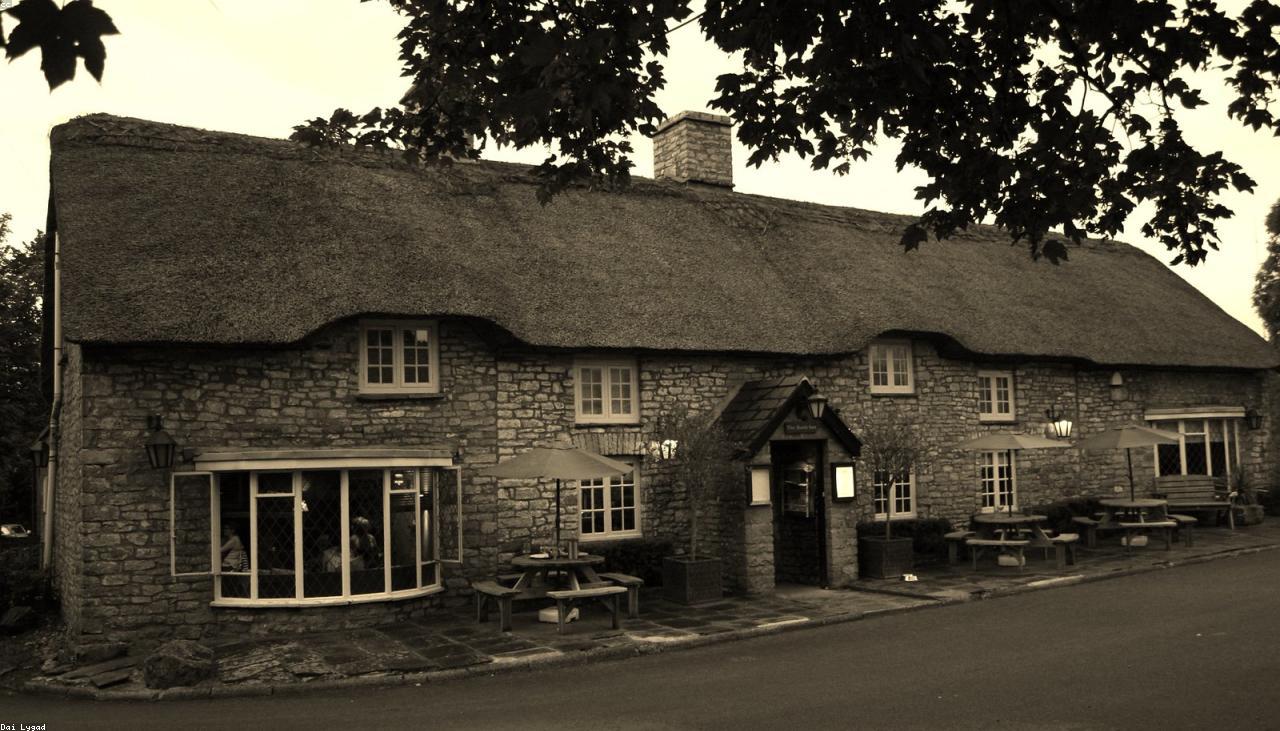
The word “pub” itself is short for “public house”—a licence to run a house that is public, not private. That heritage still defines the model. A traditional pub is not owned or operated for private profit extraction alone; it serves a public function. Whether that function survives in 2026 is another question entirely.
Licensing and Legal Status
Every pub in the UK operates under a premises licence granted under the Licensing Act 2003. This is not optional, not negotiable, and it defines exactly what the pub is allowed to do.
A standard premises licence permits:
- Sale of alcohol for consumption on the premises (the core wet sales activity)
- Supply of alcohol with food for on-premises consumption
- Playing of recorded music (up to specified noise limits and hours)
- Performance of live music (if conditions allow and notification is given)
- Provision of late-night refreshment (food service after 11pm, if licensed)
The licence is held by the premises, not the person. If you are a tenant landlord, you hold the licence. If you’re a manager of a tied pub (owned by a pubco), the pubco holds the licence and you operate under their authority. This is a critical distinction—the difference between owning your business and working as an agent for someone else’s.
A tied pub tenant must check pubco compatibility before making operational decisions. The pubco’s licence conditions may restrict what you can do—the hours you can trade, the entertainment you can host, even the brands of beer you can stock if they are competing with the pubco’s own products.
The licensing framework also requires a Designated Premises Supervisor (DPS)—the individual responsible for the day-to-day legal compliance of the licence. In a traditional pub, that is usually the landlord or the head manager.
Wet-Led vs Food-Led Operations
This distinction is absolutely fundamental to understanding what “traditional” means in 2026. Wet-led pubs generate more than 60% of revenue from drinks; food-led pubs have flipped this model entirely.
A wet-led pub:
- Serves draught beer as the primary product
- May offer light bar snacks (crisps, nuts, pork scratchings) or simple hot food (pies, sandwiches)
- Opens mid-morning and closes by 11pm
- Generates cash flow from high-volume, low-margin drink sales
- Relies heavily on regulars, community events (quiz nights, darts, pool), and sports screening
- Profit depends on controlling pour costs, wastage, and labour during peak hours
This is the model Teal Farm Pub, Washington, Tyne & Wear operates around. Regular quiz nights, sports events, and match-day trading are the revenue foundation. Food is available but secondary. The business lives or dies based on managing wet stock, staff training for speed of service, and building a loyal local base.
A food-led pub (gastro-pub or restaurant-led model):
- Serves restaurant-quality food as the primary revenue driver
- Uses drinks as margin support, not the main trade
- Requires full kitchen facilities, trained chefs, and plating standards
- Opens for lunch service, full dinner service, and possibly breakfast
- Generates revenue from higher-margin food sales and lower-margin drinks
- Profit depends on food cost control, menu engineering, and table turn rates
The vast majority of pubs in the UK in 2026 have shifted toward the food-led model—not because it is better, but because wet-led pubs face structural pressures: lower alcohol consumption, duty increases, higher rents, and competitive supermarket pricing on off-trade alcohol.
Here is the operator insight most comparison sites miss: wet-led pubs have completely different EPOS requirements to food-led pubs. A wet-led pub needs speed of service, card-only payment handling, and cellar management integration. It does not need a kitchen display screen or complex food tracking. A food-led pub needs the opposite—kitchen automation, food cost tracking, and table management. Buying the wrong EPOS system for your model will cost you thousands in wasted training time and lost sales during the first two weeks of implementation.
The Character and Culture
The character of a traditional pub is not incidental to its business model—it is the business model.
A pub succeeds because it becomes embedded in the fabric of a community. People return not because the beer is technically superior to another pub two miles away, but because it is their pub. They know the landlord, they have a regular seat, their quiz team meets there on Thursday, their football team screens there on Saturday, and they can have a conversation without music drowning them out.
This social purpose creates commercial resilience. During quiet midweek periods, regulars keep the lights on. Quiz nights and sports events bring footfall on otherwise slow nights. Events like pool leagues or darts competitions build loyalty that survives competitive pricing from chains.
The physical markers of traditional pub character include:
- A long bar counter where customers stand or sit on bar stools, creating visibility and conversation
- Separate spaces: a public bar (traditionally the working-class section with games and noise), a saloon or lounge (quieter, slightly more upmarket), and sometimes a snug (small private section)
- Wood panelling, exposed brick, or period fixtures that signal age and local identity
- A lack of corporate branding—independent pubs look like they belong to their town, not a chain
- Entertainment built around community: quiz machines, pool tables, darts, a jukebox rather than a DJ
- Food displayed simply—pies in a warmer, not plated like fine dining
In 2026, this character is increasingly rare. Many pubs have been stripped of these features and converted to restaurant layouts with table service and quieter ambience. Whether that is a commercial success or a slow decline depends entirely on local market conditions.
Business Model and Revenue
The financial structure of a traditional wet-led pub is different from what most hospitality operators expect.
A wet-led pub’s revenue typically breaks down:
- 60–75% from drinks (draught beer, spirits, soft drinks, wine by the glass)
- 15–30% from food (if served)
- 5–15% from gaming machines, quiz machines, or other ancillary revenue
Profit margins on draught beer are typically 65–75% (high margin, high volume). Spirits are 70–80%. Food, if sold, runs at 60–70% gross profit depending on complexity. But the cash flow is front-loaded—you need cash every week to restock draught lines and manage payroll.
For a wet-led pub, calculating your true profitability requires understanding pub profit margin because turnover alone is meaningless. A pub turning £12,000 a week sounds healthy until you calculate the actual margin after COGS, labour, and rent.
The real cost of operating a traditional pub is not the price of a pint—it is invisible until it is too late:
- Draught wastage: 3–5% of draught beer is lost to spillage, waste, or poor line management. That is £150–£250 per week in a mid-sized pub. Fixing this saves real money.
- Labour during peak trading: You need staff at bar, and they need to be fast. Training new staff costs time and lost sales. The first two weeks are painful.
- Cellar management: Stock management matters more than most operators realise until they are doing a Friday stock count manually. Integrating cellar management into your EPOS system pays for itself inside three months.
- Rent and rates: These are fixed. They do not change if trade drops. A tied pub may face pubco rent reviews that inflate costs faster than revenue can grow.
Understanding pub drink pricing is the next step. Most operators underprice their draught beer or fail to raise prices proportionally to cost inflation. A 20p increase on a pint across 50 pints a day adds £280 per week—£14,560 per year—with zero additional cost.
Modern Challenges for Traditional Pubs
The traditional pub model in 2026 faces structural headwinds that are not solved by better marketing or longer opening hours.
Changing alcohol consumption: Younger age cohorts drink less alcohol overall. They drink at home more. They consume low and no-alcohol options at higher rates. A traditional wet-led pub with no non-alcoholic offering is slowly dying.
Supermarket competition: A four-pack of premium lager costs less in a supermarket than a single pint in a pub. This is not a secret—it is why people drink at home. Pubs survive by selling experience and community, not just beer.
Cost inflation outpacing revenue: Staff wages have risen faster than the minimum price of alcohol. Utility costs have spiked. Rent reviews under pubco tenancies can be brutal. A pub that was profitable in 2019 may be struggling in 2026 with the same turnover.
Tied pub constraints: If you are a tenant of a pubco, your costs are dictated by the pubco’s buying power (or your lack of it). You cannot simply switch suppliers to cut costs. Your rent is subject to review. Your tied beer prices may be uncompetitive. This is why understanding pub lease negotiation is critical before you sign.
The real operator challenge: Running a traditional pub in 2026 requires choosing between defending a model that is under structural pressure or pivoting toward the food-led model. Both paths require investment. Neither is guaranteed to work.
Many operators choose a hybrid: keep the pub character and community focus, but add quality food to broaden revenue. This works if you have the kitchen space, the head chef, and the capital. It does not work if you try to bolt on food as an afterthought.
Managing pub staffing cost matters regardless of the model. A wet-led pub with high staff efficiency survives. A food-led pub with runaway labour costs dies. The difference is how you schedule, train, and measure performance.
One final operator insight: The question “what is a traditional pub in 2026?” is not academic. It is commercial. If you are taking on a pub, you need to know which model you are actually running. Most failures come from operators trying to run a wet-led pub like a restaurant, or vice versa. Know your model. Build systems around it. Measure profit ruthlessly.