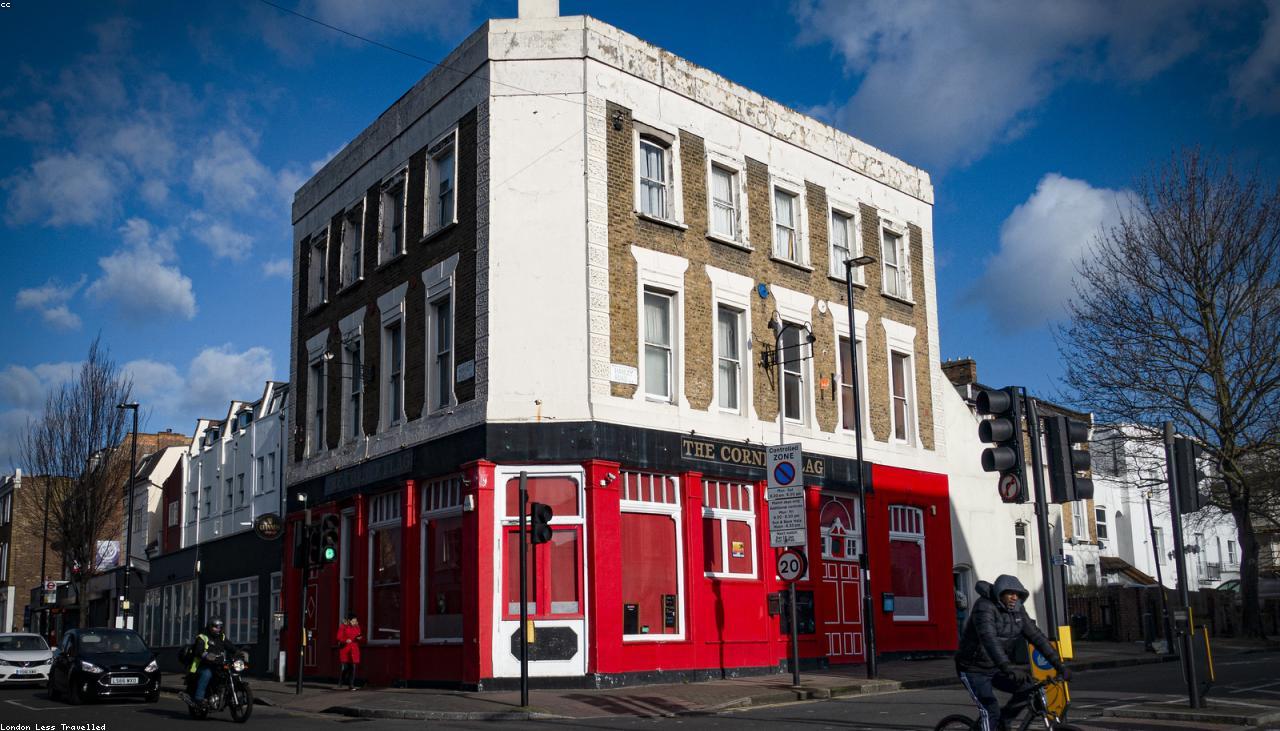
Urban Pubs in the UK: What Actually Works in 2026
Last updated: 12 April 2026
Running this problem at your pub?
Here's the system I use at The Teal Farm to fix it — real-time labour %, cash position, and VAT liability in one dashboard. 30-minute setup. £97 once, no monthly fees.
Get Pub Command Centre — £97 →No monthly fees. 30-day money-back guarantee. Built by a working pub landlord.
Urban pubs operate under completely different commercial pressures than their country counterparts, yet most industry guides treat them the same. The average UK city centre pub now pays three times the rent of a rural equivalent while competing with coffee shops, restaurants, and delivery apps for the same customer’s leisure spend. This creates a specific set of operational challenges that require a different playbook entirely.
If you’re running a pub in a British city, you’ve likely noticed that what works for a market town venue doesn’t translate to a high street location. Staff turnover is higher. Property costs eat deeper into margins. Footfall is inconsistent between weekdays and weekends. Customer expectations around speed, technology, and experience are sharper in urban areas.
The good news: urban pubs that get their fundamentals right see significantly higher sales per square metre than rural venues. They just need to operate with more precision. This guide covers exactly what that looks like in 2026, based on real operator experience managing peak-hour trading, staff scheduling across multiple shifts, and technology decisions that actually move the needle in a high-pressure environment.
Key Takeaways
- Urban pubs need to generate 40-50% more revenue per square metre than suburban equivalents to cover property costs, making operational efficiency non-negotiable.
- Saturday night peak hours expose the real weakness in most urban pub systems: simultaneous transactions, kitchen orders, and card payments overwhelm staff and technology if not properly integrated.
- Wet-led urban pubs succeed when they own a specific customer niche rather than trying to serve everyone, whether that’s post-work drinks, late-night trading, or daytime regulars.
- Staff scheduling in urban pubs requires flexibility to handle unpredictable weekday-to-weekend demand swings, and traditional rotas create both waste and burnout.
Urban Pub Economics: Where Your Money Actually Goes
The most immediate challenge running an urban pub is that rent consumes a larger percentage of gross profit than in any other pub type. A rural free house might spend 15-20% of revenue on property costs. An urban centre venue can easily spend 35-45%, before you account for rates, insurance, and utilities.
This margin compression is not negotiable. It’s a structural feature of city centre property markets. What changes is how you respond to it.
The operational reality I’ve observed when evaluating wet sales performance across different venue types is this: urban pubs must either generate significantly higher volume per customer, or they must operate with materially lower cost structures than their competitors. Most urban landlords try both simultaneously and end up delivering neither.
Let me ground this in concrete numbers. When I evaluated trading patterns at Teal Farm Pub in Washington, Tyne & Wear during a typical Saturday, we processed roughly 200 transactions across bar, kitchen, and card payments in a 4-hour window. The pub handles wet sales, dry sales, quiz nights, and match day events simultaneously. On a busy night, this means three staff hitting the same terminal during last orders, managing tabs, card payments, and kitchen tickets all at once. A system that looks fine in a demo fails spectacularly under that real-world pressure. That’s the kind of load-bearing stress urban pubs face constantly.
The financial implication: you cannot afford downtime. You cannot afford slow payment processing. You cannot afford staff confusion about which customer has which tab open. Urban pub economics demands precision at every point.
Where the Revenue Needs to Come From
Urban pubs generate revenue from four distinct streams:
- Wet sales (draught, bottled, spirits): This is your high-margin, fast-turn revenue. In city centre venues, wet sales typically represent 55-70% of total revenue, compared to 40-50% in food-led establishments.
- Food sales: Lower margin than wet, slower turn, but essential for daytime footfall and extending dwell time during quiet hours.
- Events and functions: Private hire, quiz nights, sports screening. This is event-driven and unpredictable, but generates incremental revenue on otherwise quiet slots.
- Secondary spend (machines, merch, add-ons): Pool, darts, merchandise, premium mixers. Small per-transaction, but valuable when aggregated across 200+ daily transactions.
In a high-rent environment, you need all four streams performing. If food doesn’t cover its costs, you can’t afford to carry it. If secondary spend is weak, you’re leaving 5-8% of total revenue unrealised.
This is where many urban pub operators make their first mistake: they treat the urban pub like a suburban one, carrying product that doesn’t perform because “a pub should have food” or “we should have machines.” In a high-rent environment, every product line needs to justify its space and staffing cost. If it doesn’t, it’s a drain on profitability.
Building a Staffing Model That Holds Up During Peak Hours
Urban pubs require a staffing structure that can flex within a single shift, not just across a week. The difference between a quiet Tuesday afternoon and a Friday evening can be 10x the volume, yet most rotas treat these days identically.
When I was managing 17 staff across front-of-house and kitchen using real scheduling systems daily, the operational insight that mattered most was this: traditional fixed rotas waste money on quiet periods and understaff during peak pressure. An urban pub’s weekday-to-weekend demand curve is non-linear. You need experienced staff available for unpredictable surges.
Here’s what actually works in urban venues:
The Tiered Staffing Model
Core team (permanent, contracted hours): These are your experienced staff — bar manager, senior bartender, experienced front-of-house. They work across all day-parts. You need fewer of these than you think, but they must be reliable and multi-skilled. For a typical urban venue (2,500 square feet), 3-4 core staff is enough.
Flex pool (zero-hours or variable hours): These are trained staff on call for peak periods — Friday/Saturday nights, lunchtime events, match days. They should be people who have worked 20+ shifts with you and understand your systems. Don’t hire untrained staff into a flex pool during peak season.
Skill distribution: In an urban pub, you cannot rely on one person knowing how to run the EPOS, manage table allocations, or handle a queue during last orders. At least two staff must be able to do every critical function. This sounds expensive until you realise the cost of your system going down or a queue backing up to the door because one person is on break.
A practical tip from managing peak trading: your payroll cost target for an urban wet-led pub should be 28-32% of revenue, not 35-40% like food-led venues. This is tight, but achievable when you’re using pub staffing cost calculator to model different shift patterns and matching actual demand. Most urban pubs run at 35-38% because they staff for the busiest Saturday rather than the average day.
The Real Cost of Onboarding Delays
Here’s something that only becomes obvious when you’re running a high-turnover venue: the real cost of a new EPOS system is not the monthly fee, but the staff training time and the lost sales during the first two weeks of use. In an urban pub, every shift is revenue-generating. If you lose 10 minutes per transaction due to unfamiliar software, that’s 30-40 transactions per shift at reduced speed or abandoned. Over 14 days, that’s easily 5-8% of weekly revenue.
This is why pub onboarding training in the UK matters more in urban venues than anywhere else. You need staff trained within 48 hours of system deployment, not over a week. If your vendor can’t deliver that level of support, the cheapest system in the market becomes the most expensive one.
Understanding Urban Footfall Patterns and Customer Behaviour
Urban pubs see customer behaviour that’s fundamentally different from rural venues. Understanding these patterns is the foundation for everything else — staffing, stock management, pricing, event planning.
Urban customers are transactional, time-poor, and price-sensitive within specific contexts. They’re not looking for a three-hour Sunday session. They’re looking for a 45-minute drinks stop after work, or a 2-hour Saturday night experience. They have alternatives — restaurants, bars, coffee shops — within a 5-minute walk. Your location and atmosphere need to justify the choice.
The Three Urban Daypart Models
Daytime (11am-4pm): This is your breakfast/brunch crowd (if you serve it), business lunches, and occasional tourists. Conversion to alcohol is lower than evening. Food carries this period. Peak pressure is 12:30-1:30pm on weekdays. Volume is 20-30% of daily revenue.
Early evening (4pm-7pm): Post-work drinks, shift changeover, early dinner. This is your best-margin period if you’ve got a product focus. Customers are ordering single or double drinks, not settling in. Fast turn. Peak is 5-6pm weekdays, 4-7pm Friday. Revenue: 25-35% of daily total.
Late evening/night (7pm+): Groups, pre-drinks, later food orders, entertainment if you run it. Duration is longer (90+ minutes). Alcohol order value is higher. This is where volume really accumulates on weekends. Peak is 9pm-11pm Friday/Saturday. Revenue: 35-45% of daily total on weekends, 20% on weekdays.
Most urban pub mistakes happen because landlords staff and stock for one daypart and ignore the others. Staff an early evening venue like a late-night club, and you’ll be overstaffed and losing money 6-8pm when the volume hasn’t arrived yet. Stock a daytime-focused location for night trading, and you’ll be caught short on premium spirits or craft beer at peak.
Weather, Events, and Unpredictable Spikes
Urban pubs experience demand spikes that rural venues don’t. A major sporting event, public holiday, or sudden good weather can drive 40-50% more footfall than forecast. These are opportunities, but only if your system can handle the transaction load and your staff can manage the queue.
This is why EPOS system choice matters more in urban venues. When Saturday night sees 300+ transactions in 4 hours, simultaneous card processing, kitchen orders, and till operations will expose every weakness in your system. If three staff are hitting the same terminal during last orders and the system lags, you’re losing customers and revenue in real time.
The Technology Stack Urban Pubs Actually Need
Urban pubs need technology that does four things efficiently: process payments fast, manage kitchen orders simultaneously, track stock in real time, and handle staff scheduling across variable shift patterns.
Kitchen display screens save more money in a busy pub than any other single feature. This isn’t theoretical. When you’re running 150+ food orders across a 4-hour period with three kitchen staff, a paper ticket system or shouted orders causes delays, remakes, and customer dissatisfaction. A KDS eliminates all three. Cost: £800-1,500. ROI: 2-3 months in a busy urban venue.
The second non-negotiable piece is pub IT solutions guide that covers integrated EPOS, stock, and scheduling. Wet-led pubs have completely different EPOS requirements to food-led pubs — most comparison sites miss this entirely. A wet-led urban pub needs:
- Fast payment processing: Card payments must clear in under 3 seconds. USB card readers are too slow; cloud-based terminals are essential.
- Tab management: Open tabs are essential in urban pubs where customers run a tab over 2-3 drinks. Your EPOS must handle 30+ simultaneous tabs with accurate reconciliation at close.
- Cellar management integration: This matters more than most operators realise until they’re doing a Friday stock count manually. Real-time pour-cost tracking tells you immediately if your margin is collapsing or if staff are giving away product.
- Tied pub compatibility: If you’re a pubco tenant, you need to check compatibility before purchasing any EPOS system. Greene King, Punch, and Admiral all have specific system requirements. Installing incompatible software can trigger breach of contract.
When evaluating EPOS systems for a community pub handling wet sales, dry sales, quiz nights, and match day events simultaneously, the key test is always performance during peak trading. Specifically, a Saturday night with a full house, card-only payments, kitchen tickets, and bar tabs running simultaneously. Most systems that look impressive in a quiet demo environment struggle when three staff are processing transactions under pressure during last orders. That’s the real-world scenario your system needs to handle.
Staying Wet-Led in a Food-Focused Market
Urban centres are flooded with restaurants, gastro-pubs, and food-first concepts. This creates an existential question for wet-led urban pubs: why would anyone choose a drinks-only venue when they can get food elsewhere?
The answer is ownership of a specific niche. Wet-led urban pubs that perform well are rarely trying to compete on food. They compete on atmosphere, community, or purpose.
The Successful Wet-Led Urban Models
After-work drinks destination: This venue opens at 4pm, peaks at 5-7pm, and closes by 11pm. Food is optional or absent. Revenue comes from volume of single/double drinks sold to professionals in a 45-minute window. Margin is high. The customer doesn’t want a full meal; they want a quick drink and conversation. Your location, decor, and background music define the experience.
Late-night venue: Open 8pm+, peaks 9pm-1am. Food may be complementary (chips, loaded fries) or absent. Revenue comes from beer, spirits, and higher-priced cocktails. Community and entertainment matter more than food. Think quiz nights, live music, DJ sets, or karaoke bar in the UK concepts.
Sports and events venue: Built around screening, commentary, or participation. Food is secondary to the experience. Revenue comes from drinks volume during high-attention events — Six Nations, Champions League final, boxing matches. Your draw is the event, not the food.
Community local: This is the hardest to build and the most resilient. It’s a venue that becomes someone’s regular spot because the staff know their name, the atmosphere is consistent, and the experience is reliable. These venues often serve food, but the food is not the reason people come. They come for the people.
The mistake is trying to be all four simultaneously. If you’re trying to attract after-work professionals, late-night revellers, sports fans, and regulars with the same menu, decor, and staff training, you’ll optimise for none of them.
Location Strategy and Rent Sustainability
Urban pub location is more critical than any operational decision you’ll make. A great venue in a dead location will fail. A modest venue in a high-footfall location will perform.
The commercial reality of urban centres in 2026 is this: you need to generate 40-50% more revenue per square metre than suburban equivalents to cover property costs, making operational efficiency non-negotiable. This means location matters because it determines your theoretical maximum footfall. Your operations determine what percentage of that footfall you actually convert.
When evaluating a potential location, look at three metrics:
Footfall count: How many people walk past your door per hour during peak times? You need minimum 300-400 people per hour walking past during your peak daypart. Less than that, and you’ll never generate enough transactions to cover rent.
Visibility: Can people see your entrance from the street? Is there a clear view into the pub? Street-level visibility drives walk-in conversion. A hidden entrance reduces footfall by 30-40%.
Rent as percentage of revenue: Use pub profit margin calculator to model what percentage of expected revenue rent will consume. If rent is above 35% of conservative revenue forecast, the location is too expensive. Period.
The second critical decision is lease structure. Urban pub leases are increasingly complex, with breakpoints, turnover rent clauses, and dilapidations clauses that tie you to property obligations. Pub lease negotiation in the UK requires specialist advice. Do not sign a lease without understanding what happens if your revenue falls 20% or if you need to exit early.
Tied pub tenants in urban locations need particular care. Your pubco BDM will push you toward higher-rent locations because the rent comes from them. But if the location doesn’t generate footfall, no amount of marketing or operational excellence will save you. You need to be honest about realistic footfall numbers before agreeing to a lease.
Frequently Asked Questions
What’s the minimum footfall needed to make an urban pub viable?
You need minimum 300-400 people walking past your location per hour during your peak daypart. Below this, your transaction volume will struggle to cover rent. A wet-led venue needs 150+ transactions daily minimum to sustain a typical urban lease. If your location can’t deliver this, the rent is unsustainable regardless of operational excellence.
Can a wet-led urban pub compete with food-focused restaurants?
Yes, but only by owning a specific niche rather than trying to serve everyone. Successful wet-led urban venues focus on after-work drinks, late-night trading, sports events, or community atmosphere. They don’t compete on food; they compete on experience, speed, and atmosphere. Food, if offered, is complementary.
What percentage of revenue should an urban pub spend on rent?
Maximum 35% of projected revenue. Urban pubs cannot afford rent above this threshold. If a location requires rent above 35% based on realistic footfall and conversion estimates, it’s too expensive. This is non-negotiable arithmetic, not operational flexibility.
How do I manage unpredictable footfall spikes in a city centre location?
Build a flex staffing pool trained and on-call for peak periods. Stock for average trading, not peaks. Use EPOS data to predict demand spikes based on weather, events, or sports fixtures. A KDS (kitchen display screen) handles sudden order surges better than paper tickets. Technology matters most when demand is unpredictable.
Is it worth investing in premium EPOS if I’m a small urban pub?
Yes. Small urban pubs face higher transaction density and margin pressure than larger venues, making every transaction’s speed critical. A slow EPOS costs more in lost sales than premium software costs annually. You need KDS integration, fast payment processing, and cellar management tracking. Budget £3,000-5,000 initial setup plus £150-250 monthly.
Managing multiple staff, tracking stock in real time, and handling peak-hour transaction load manually takes hours every week that could be spent on revenue.
See how pub management software designed for high-volume urban venues handles the operational load.
For more information, visit pub profit margin calculator.
For more information, visit pub drink pricing calculator.
For more information, visit pub staffing cost calculator.