Pub Fit-Out in the UK: The Real Operator’s Guide
Last updated: 12 April 2026
Running this problem at your pub?
Here's the system I use at The Teal Farm to fix it — real-time labour %, cash position, and VAT liability in one dashboard. 30-minute setup. £97 once, no monthly fees.
Get Pub Command Centre — £97 →No monthly fees. 30-day money-back guarantee. Built by a working pub landlord.
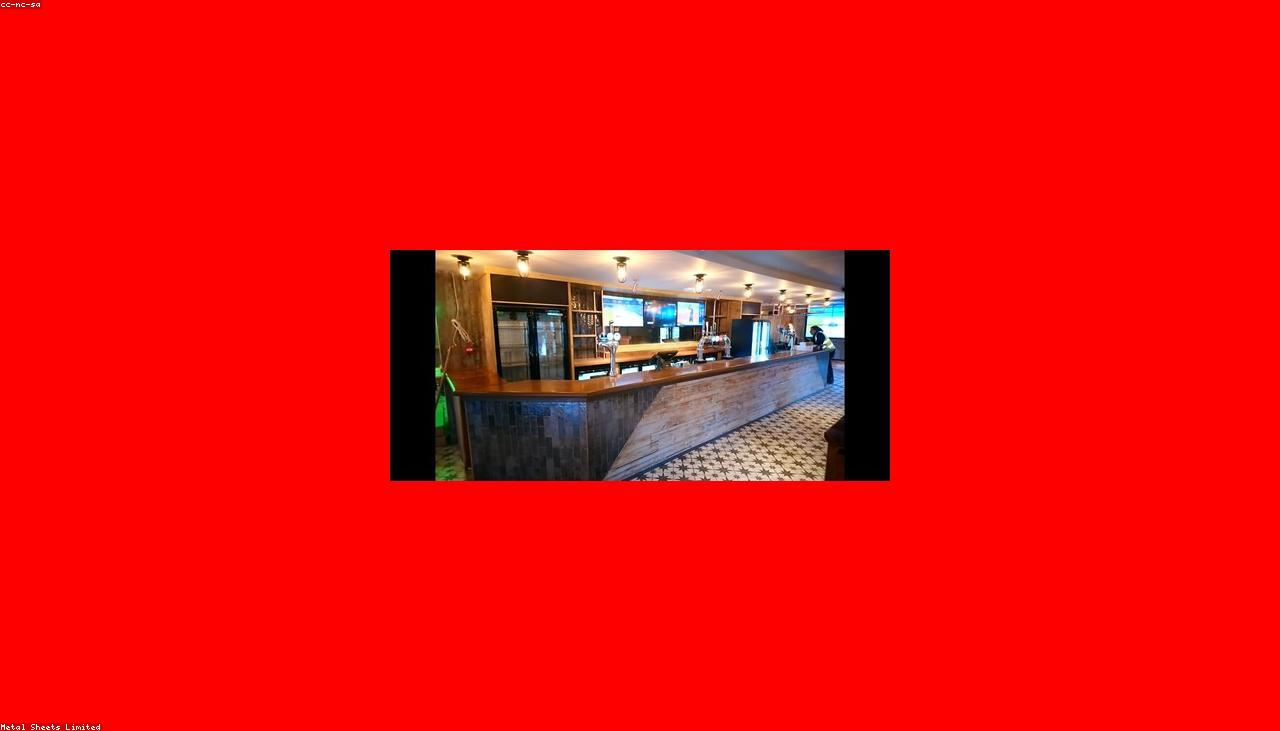
Most pub fit-outs fail not because they look bad, but because landlords prioritise aesthetics over how staff actually work during a Saturday night service. You can have the most Instagram-friendly design in the country, but if your bar layout forces three staff into a collision course every time someone orders a pint, you’ve already lost money before opening day. A proper pub fit-out is about function first, design second — and understanding the legal and financial reality before you spend a single pound.
The fit-out process in 2026 is fundamentally different from ten years ago. You’re not just refreshing the décor; you’re integrating technology, meeting stricter safety compliance, planning for flexible trading patterns, and making sure your space works for everything from a quiet Tuesday afternoon to a full-house Saturday with kitchen tickets, card payments, and tabs running simultaneously. If you’re planning a fit-out right now, you’ll face rising material costs, longer supply chains, and the challenge of keeping trading revenue while works happen around you.
This guide covers the practical, financial, and legal reality of pub fit-outs in the UK. You’ll learn what actually drives cost, how to plan a layout that makes money, the compliance checkpoints that trip up most operators, and how to avoid the mistakes that waste thousands of pounds. Whether you’re refurbishing an existing pub, taking over a closed premises, or completely reimagining your space, this is what you need to know.
Key Takeaways
- The real cost of a pub fit-out is not the construction bill but lost revenue during closure, staff retraining time, and the 2-3 weeks of operational inefficiency when systems first go live.
- Bar layout determines how efficiently your staff can work under pressure; a poorly planned bar can cost you £500+ per service shift in wasted motion and customer wait time.
- You must notify your local authority about material changes to the premises before work starts; failure to do so can void your premises licence and trigger enforcement action.
- Integrating EPOS, kitchen display systems, and cellar management during fit-out is cheaper than retrofitting; plan cable runs, power, and Wi-Fi coverage as structural work happens.
Understanding Pub Fit-Out Costs in 2026
The most effective way to budget a pub fit-out is to separate hard costs (build, materials, fittings) from soft costs (design, compliance, contingency, and operational loss). Most operators focus only on the hard costs and are shocked when the total bill is 40% higher.
Hard costs typically include:
- Bar counter and back-fit installation: £8,000–£25,000 depending on length, materials, and whether you’re moving utilities
- Flooring (food prep areas): £3,000–£8,000 for compliant non-slip surfaces
- Kitchen equipment: £15,000–£50,000+ depending on whether you’re upgrading from wet-led to food-led trading
- Decoration, paint, fixtures: £5,000–£15,000
- Electrics and utilities: £4,000–£12,000 (often the hidden cost that balloons)
- Plumbing and drainage: £3,000–£10,000
Soft costs are where most operators get caught out:
- Professional design and planning: £1,500–£4,000
- Building control and compliance sign-off: £800–£2,500
- Temporary trading loss (2–4 weeks closure): £4,000–£15,000+ depending on your turnover
- Staff retraining and system integration: £2,000–£6,000 in lost productivity
- Contingency (15–20% of total budget): Essential — don’t skip this
A typical pub fit-out in 2026 costs between £45,000 and £120,000 all-in, depending on the scope. But the real question isn’t the price tag — it’s the payback period. Calculate your payback by dividing total fit-out cost by the monthly profit uplift you expect. If a fit-out costs £80,000 and generates an extra £2,000 per month in profit, you’re looking at a 40-month payback. That’s a 3-year decision, not a cosmetic refresh.
Use a pub profit margin calculator to model the before-and-after impact of your fit-out. Most operators underestimate how much additional revenue they need to justify the investment. A new kitchen might increase food sales by 25%, but if food is only 30% of your turnover now, the absolute uplift might not be as large as you expect. Work the numbers before you commit.
Bar Layout: The Hidden Profit Driver
When I evaluated EPOS systems for Teal Farm Pub, the real stress test wasn’t during quiet hours — it was Saturday night with a full house, card-only payments, kitchen tickets, and bar tabs running simultaneously. Three staff hitting the same terminal, customers three-deep at the bar, kitchen sending tickets through during last orders. That experience taught me that bar layout is the single biggest driver of speed of service, staff morale, and ultimately profit.
An inefficient bar layout can cost you £500–£1,000 per week in lost sales through slower service and staff fatigue. Here’s why: if your bar is designed so staff have to walk 15 steps to pour a pint, reach 5 feet up for a glass, and backtrack to the till, you’re adding 40–60 seconds per transaction. On a busy night with 200 transactions, that’s 2–3 hours of lost capacity. Your revenue ceiling is literally shaped by your bar design.
Key principles for fit-out bar layout:
- Minimize staff walking distance: Everything a bartender needs during a transaction (till, draught, bottles, glasses, ice) should be reachable in under 3 steps and at waist-to-shoulder height.
- Separate till from pour station: If card payments dominate (and they do in 2026), don’t put the till where it blocks the draught lines. This is a common mistake. Card payment processing is faster than cash handling, but only if the terminal isn’t in the way.
- Plan for peak-hour staffing: Design the bar so 2–3 staff can work efficiently together. Test this: can two people pour drinks simultaneously without colliding? Can one staff member operate the till while another pours and a third handles food orders?
- Consider sight lines: Staff at the bar should be able to see the door, the dining area, and the garden. A blind spot means customers waiting to be seated or a problem brewing that you don’t notice until it becomes serious.
- Back-bar storage and reach: Bottles should be organized by drink type (spirits, vodka, rum, gin, etc.), not randomly. During a fit-out, don’t just copy your old arrangement. Audit which spirits you actually sell and put the top 60% at arm’s reach.
One specific detail that catches most operators: the depth of your bar counter. A 700mm deep bar (standard hospitality measurement) looks good visually but forces staff to lean or stretch. A 900mm deep counter gives you more space for glasses, till, and beer tap handles, and it’s worth the extra cost. Customers won’t notice the 200mm difference; your staff will recover those 40 seconds per transaction and thank you after a 12-hour shift.
During your fit-out, pay attention to the till placement relative to your payment terminal. In 2026, over 95% of transactions are card-based. Your till should be positioned so the card reader is reachable without reaching across bottles or draught lines. It sounds basic, but walk through three busy pubs and you’ll see two of them have the till in a position that slows down service.
Compliance and Licensing Checkpoints
You must notify your local authority of any material changes to the premises structure, use, or layout before work begins; failure to do so can trigger licence review proceedings and potential enforcement action. This isn’t bureaucratic caution — it’s statutory. A fit-out that changes fire egress routes, adds a kitchen, or extends the trading area requires formal notice to the licensing authority and sometimes building control approval.
The compliance checklist for a pub fit-out:
- Building Control notification: Required if you’re doing structural work, adding a kitchen, changing electrics beyond basic replacement, or installing extraction systems. Apply before work starts. Typical timeline: 5–10 working days for approval.
- Premises Licence variation: Required if you’re materially changing the layout, adding a kitchen, increasing capacity, or changing how you trade (e.g., from wet-led to food-led). Apply to your local authority. Some applications are fast-tracked; others take 28 days or longer if someone objects.
- Fire safety assessment: You need this regardless of fit-out scope. It’s a professional assessment (£500–£1,500) that identifies escape routes, emergency lighting, fire extinguishers, and signage requirements. It’s not optional; it’s a legal duty under the Regulatory Reform (Fire Safety) Order 2005.
- Electrical Installation Condition Report: If you’re adding significant new wiring or changing the electrical layout, you need a certified electrician to issue an EICR. This costs £400–£800 and is required by insurance underwriters.
- Asbestos survey: If your premises was built before 1999, get a survey before any invasive work. Disturbing asbestos is illegal and dangerous. Survey cost: £300–£600. Removal (if found): £2,000–£8,000+.
- Environmental Health notification: If you’re adding or upgrading a kitchen, notify your local environmental health team. They’ll want to see plans showing hot and cold water supplies, drainage, extraction, and food prep surfaces. No surprise visits during your fit-out.
A common mistake: assuming that a cosmetic refurbishment (new paint, new furniture, new bar fittings) doesn’t require notification. Technically, if you’re not changing the structure or use of the premises, you might not need building control approval. But you still need to ensure the work is done safely and to standard. If anything changes about how customers use the space or how emergency exits function, notify your licensing authority.
Budget 4–6 weeks for the compliance and approval process. This is not the time to cut corners. A delayed opening because you didn’t get the right sign-offs is far more expensive than doing it correctly upfront.
Technology Integration During Fit-Out
The worst time to realize your new EPOS system can’t reach the back bar is after the fit-out is complete and you’ve already paid the builder. Technology integration during fit-out is about cable runs, power distribution, Wi-Fi coverage, and device placement. Get this right, and your staff work efficiently from day one. Get it wrong, and you’re looking at expensive retrofit work.
Planning your pub IT infrastructure during a fit-out is cheaper than retrofitting; a single cable run through already-finished walls costs 5–10 times more than planning it during construction.
Essential technology checkpoints for fit-out planning:
- EPOS terminal placement: Where is your main till? Can you run an ethernet line (more reliable than Wi-Fi for payment processing) from your router to that location? What about a backup terminal for busy periods or if the main one fails? Plan cable routes now.
- Kitchen Display Screen: If you’re adding a kitchen or upgrading food service, a kitchen display screen (KDS) saves more money than any other single feature in a busy pub. It eliminates paper tickets, reduces order errors, and speeds up kitchen workflow. Plan the wall mount, power, and network coverage before the walls go up. Pub IT solutions during fit-out should be architected with future flexibility in mind.
- Wi-Fi coverage: Don’t rely on a single access point in the office. You need coverage in the bar, dining area, garden, and kitchen. Multiple access points positioned during fit-out cost less than retrofitting later. Budget £1,500–£3,000 for a proper system that handles customer traffic and staff devices simultaneously.
- Cellar management: If you’re upgrading your cellar during fit-out, now is the time to integrate a cellar management system. It requires digital scales on your beer lines, temperature monitoring, and automated stock tracking. Install the infrastructure (power points, cable conduits) during fit-out. The software integration follows later. This is not a luxury — tight stock control on draught beer is how wet-led pubs protect margin.
- Power distribution: You need more power points than you think. Till, card reader, backup till, printer, Wi-Fi router, KDS, lights, fridge, extraction fan. Build in redundancy. A single power failure shouldn’t stop your ability to trade. Consider UPS (uninterruptible power supply) for critical equipment like your EPOS terminal.
- Internet resilience: What happens when the internet goes down? Your EPOS system will have offline mode, but can it function if your ISP fails for 4 hours during a Saturday service? Test this before fit-out completion. Some systems buffer transactions and sync when connection returns; others go offline completely. Know which you have.
One operator insight: most pub teams don’t understand their own IT infrastructure. When something goes wrong, they blame the software (often unfairly). Plan for clear labeling of cable runs, access points, and power circuits. Create a one-page IT diagram showing where every device is, how it’s connected, and what to do if it fails. Leave this in the office for your manager. You’ll be called at 11 PM on a Saturday, and this diagram will save you £200+ in IT support fees.
Kitchen and Food Service Design
If you’re adding or upgrading a kitchen during fit-out, understand that kitchen design is not about how it looks in a brochure — it’s about whether your kitchen team can produce covers during service without bottlenecks.
The biggest mistake: designing a kitchen that looks professional but has poor flow between prep, cooking, plating, and pass. I’ve seen £40,000 kitchen fit-outs that create a chokepoint at the pass because no one asked the chef where they physically stand and move during a full service.
Kitchen fit-out essentials:
- Work triangle layout: Your prep area, cooking area, and plating pass should form a logical workflow. Kitchen staff shouldn’t have to walk back and forth across each other during service.
- Extraction and ventilation: This is non-negotiable for compliance and staff comfort. HACCP in UK pubs requires proper temperature control and ventilation. Budget £3,000–£8,000 for a system sized to your cooking volume. It’s also a noise issue — a poor extraction system makes the kitchen unbearably hot and loud, increasing staff turnover.
- Hot and cold holding: Ensure you have adequate refrigeration for prep and holding, plus hot holding for plates if you’re doing high-volume food service. A busy pub can’t afford to wait 10 minutes for plates to warm during service.
- Dishwash and pot wash: If you’re doing 80+ covers per service, a commercial dishwasher is essential. A three-compartment sink looks cheaper but creates a bottleneck and increases labor cost.
- Flooring: Food prep areas must have compliant non-slip, sealed flooring. Budget £50–£100 per square metre for properly installed food-safe flooring. Cheap flooring becomes a slipping hazard and a hygiene issue.
A properly designed kitchen is where your food cost percentage is protected or lost. Poor kitchen layout leads to wasted ingredients, slower service, and staff injuries. These are hidden costs that show up in your P&L months after the fit-out is complete.
Project Management and Timeline Reality
The pub fit-out that goes to plan is rarer than a customer who orders a pint and pays cash. Expect delays. Expect hidden costs. Expect your contractor to find problems once they start opening walls.
A realistic timeline for a medium-scope pub fit-out (new bar, updated décor, kitchen refresh, no structural changes):
- Planning and approvals: 6–8 weeks
- Procurement: 2–4 weeks (materials, kitchen equipment, bar fittings)
- Construction and installation: 4–6 weeks
- Compliance inspection and sign-off: 1–2 weeks
- Staff training and system integration: 1–2 weeks before trading
- Total realistic timeline: 4–5 months from decision to full reopening
Most operators underestimate the final weeks. You can’t hire staff, train them on new systems, and open at full capacity on day one. Staff training is often the hidden cost. When you take pub onboarding training seriously, you’re investing in the speed of your service recovery. Cheap training means lost revenue and frustrated staff.
Budget carefully for lost revenue during closure. If your pub turns over £8,000 per week and you’re closed for 4 weeks, that’s £32,000 in lost revenue. Your profit on that turnover might be 15–20%, so you’re losing £4,800–£6,400 in profit. That’s a real cost of the fit-out, not just the construction bill.
Project management tip: establish a single point of contact between you and the contractor. Weekly meetings. Written updates. Clear scope documentation. If you’re not a professional project manager, hire one for the duration (typically £2,000–£4,000). It’s worth it to avoid scope creep and cost overruns.
One final operator reality: you will receive a phone call from your contractor on a Friday afternoon saying they found asbestos or the gas supply isn’t where the plans said it was, and the job will cost an extra £4,000 and take another week. This is why you budget 15–20% contingency.
Frequently Asked Questions
How much does a typical pub fit-out cost in the UK in 2026?
A medium-scope fit-out (bar refresh, updated décor, kitchen upgrade) typically costs £45,000–£120,000 all-in, including hard costs (build, materials) and soft costs (design, compliance, lost revenue during closure). Budget 15–20% contingency. The actual payback depends on the profit uplift your fit-out generates, not just the price tag.
What compliance approvals do I need before starting a pub fit-out?
You need Building Control notification (if structural or electrical work), a Premises Licence variation (if materially changing the layout or use), a fire safety assessment, and environmental health notification (if adding a kitchen). Allow 4–6 weeks for approvals. Failing to notify is illegal and can trigger enforcement action against your licence.
Can I keep trading during a pub fit-out?
Partial trading is possible for minor cosmetic work, but a proper fit-out typically requires full closure for 4–6 weeks. Trying to trade during construction creates safety risks, slows the contractor, and frustrates customers. Plan for full closure and budget the lost revenue as part of the fit-out cost.
Why is bar layout so important for pub profitability?
An inefficient bar layout increases the time per transaction by 40–60 seconds, which directly reduces your transaction capacity during peak hours. On a busy night, this can cost you £500–£1,000 in lost sales. During fit-out, design your bar so staff minimize walking distance and can work efficiently together during Saturday night service.
Should I integrate an EPOS system or kitchen display system during fit-out?
Yes. Installing cable runs, power, and network infrastructure during fit-out is 5–10 times cheaper than retrofitting after completion. Plan your EPOS terminal placement, kitchen display screen wall mount, Wi-Fi access points, and cellar management integration before construction starts. This planning avoids expensive rework later.
Managing a fit-out while keeping your business running is one of the biggest operational challenges a pub operator faces.
Understanding your true costs and profit impact before you start is the difference between a successful refresh and a financial strain that takes years to recover from.
For more information, visit pub drink pricing calculator.
For more information, visit pub staffing cost calculator.
Operators who want to track pub GP% in real time can see how it’s done at Teal Farm Pub (180 covers, NE38, labour at 15%).