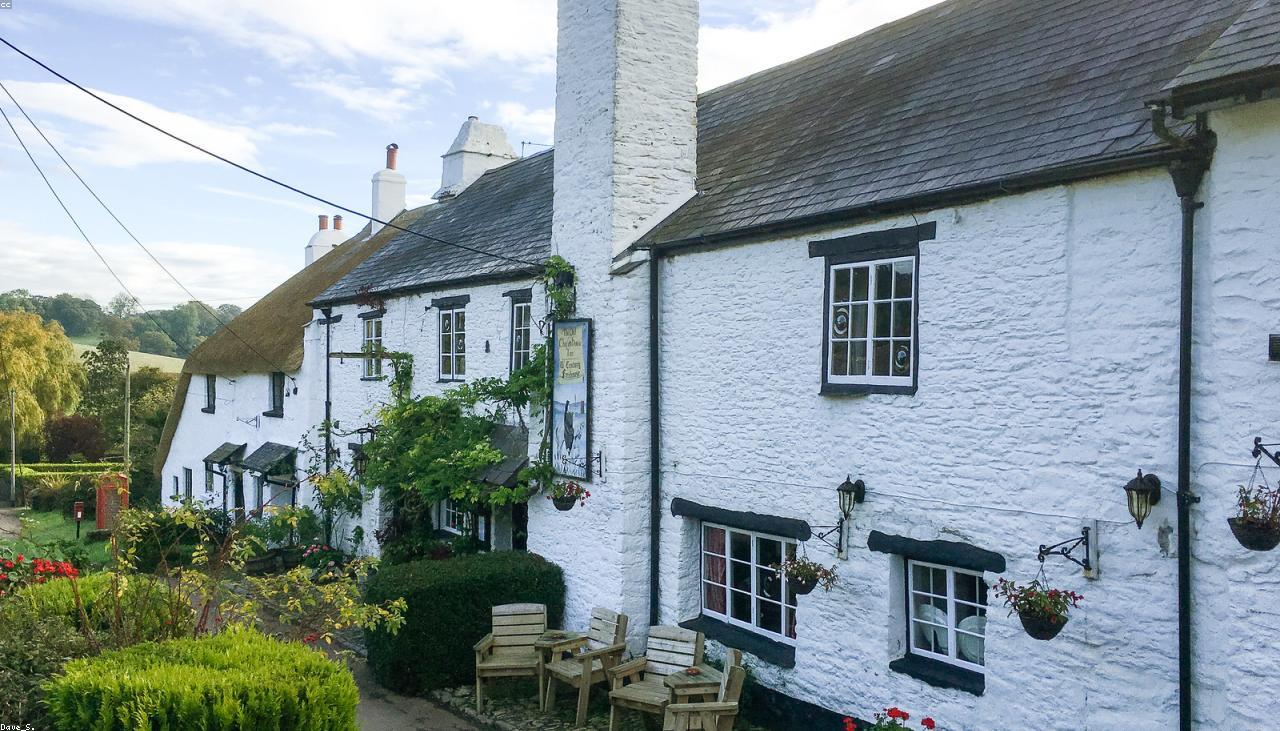
Pubs With Accommodation in the UK 2026
Last updated: 11 April 2026
Running this problem at your pub?
Here's the system I use at The Teal Farm to fix it — real-time labour %, cash position, and VAT liability in one dashboard. 30-minute setup. £97 once, no monthly fees.
Get Pub Command Centre — £97 →No monthly fees. 30-day money-back guarantee. Built by a working pub landlord.
Most pub landlords running accommodation think the business model is straightforward: sell rooms, sell drinks, stack the profit. The reality is that pubs with rooms operate two completely separate hospitality businesses under one roof, and the operational complexity scales faster than the revenue does. I’ve seen licensees add bedrooms expecting a 30% lift in turnover, only to discover that guest expectations around cleaning standards, check-in times, and breakfast service create staffing bottlenecks that actually reduce bar profitability.
If you’re considering adding accommodation to an existing pub, or you’re evaluating a property that comes with rooms, you need to understand that the economics, staffing models, and guest management systems are fundamentally different from bar-only operations. This guide covers what actually matters when running a pub with accommodation in 2026, based on real operator experience and the practical systems that keep these venues profitable.
Key Takeaways
- Pubs with accommodation are two separate businesses operationally — bar economics and hospitality economics follow different rules and require different staffing patterns.
- Room revenue should be modelled conservatively; a four-room pub averaging 60% occupancy generates £12,000–£18,000 annually per room in realistic pricing, not the optimistic figures in property brochures.
- Housekeeping and guest management create unexpected staff costs that often eliminate the margin benefit of adding rooms unless the pub already has strong daytime or food revenue.
- Your EPOS system, booking software, and guest communication tools need to integrate seamlessly or your admin time will increase by 15–20 hours per week within the first month of trading with rooms.
Why Pub Accommodation Is a Different Business
A pub with rooms is not a pub that happens to have bedrooms — it’s a guesthouse that happens to have a bar. The moment you take a guest booking, you inherit all the responsibilities of a hotelier: 24-hour availability, cleaning standards, safety compliance, guest communication, and checkout procedures. These add operational friction that doesn’t exist in a traditional wet-led pub.
The guest expectation level is also different. Someone drinking in your bar at 11 PM expects to order a pint. Someone paying £70–£120 for a room expects a clean, quiet environment, reliable WiFi, a working shower, and a professional check-in process. Bar customers tolerate imperfection. Hotel guests don’t.
When Teal Farm Pub, Washington, Tyne & Wear, was considering adding accommodation, the initial appeal was simple: fill empty rooms, capture additional spend. But the operational audit revealed why most small pubs don’t successfully add rooms: the staffing model that works for a 40-cover bar doesn’t work for a 40-cover bar plus four guest rooms. You need someone who can handle housekeeping during the day, manage guest arrivals in the evening, and deal with complaints at 2 AM. That person doesn’t exist for £12/hour.
Wet-led pubs have completely different EPOS and operational requirements to food-led pubs — and both are completely different from accommodation-led venues. Most comparison sites miss this entirely because they’re writing generic hospitality advice. A wet-led pub needs point-of-sale speed and offline capability. An accommodation-led pub needs guest management integration, payment splitting between room charges and bar sales, and automated housekeeping scheduling. These are different system requirements.
Revenue Streams and Realistic Numbers
The obvious revenue stream is room sales. The less obvious ones — and the ones that actually make the business work — are breakfast sales, extended bar spend from guests, and ancillary revenue like parking or packages.
Room Revenue: What’s Actually Realistic
Room pricing and occupancy are inversely related for small UK pubs. You can charge £120 per night and achieve 30% occupancy, or you can charge £65 per night and achieve 70% occupancy. The revenue is often identical, but the operational workload is very different.
A four-room pub with realistic assumptions:
- £75 average room rate (accounting for weekday discounting)
- 60% annual occupancy (realistic for a pub outside major cities)
- 365 potential room-nights per year (per room)
- 219 occupied room-nights annually (365 × 0.60)
- £16,425 gross revenue per room per year
- ×4 rooms = £65,700 annual gross room revenue
That sounds decent until you subtract housekeeping costs (£5–£8 per room per night, depending on local wages), cleaning supplies (£1–£2 per night), laundry (included in housekeeping), and the non-performing room maintenance that happens constantly. Your actual margin is 45–55% of gross room revenue, not 70%.
Use a pub profit margin calculator to model this properly, accounting for both direct costs and the hidden labour costs of housekeeping overlap with your bar shifts.
Breakfast Revenue and Guest Spend
Breakfast is where accommodation venues make disproportionate margin. A guest who won’t pay £15 for a cooked breakfast at a restaurant will happily pay £12 for the same meal as a hotel guest because it feels included. Breakfast also anchors your morning staffing — you can’t reduce cover just because there are no bar customers if you have four guests expecting a 9 AM breakfast service.
Realistic breakfast economics: 65% of room guests purchase breakfast at an average £9.50 = £1,430 per room per year in additional revenue. That scales quickly across four rooms, but it requires dedicated morning kitchen or prep time.
Guest bar spend is often overstated. Yes, your guests will buy drinks in the evening. But they’re price-sensitive (they’ve already paid for their room), and evening bar footfall during the week is often low anyway. Model guest bar spend at 30–40% of daytime bar revenue, not as an uplift to it.
Revenue You Can’t Count On
Events, packages, and add-ons (dog-friendly rates, celebration packages, parking revenue) are revenue line items that sound great in the business plan and rarely materialise. Plan them as margin, not as core revenue.
Staffing, Rotas, and Housekeeping
This is where most pub operators underestimate the complexity. Managing 17 staff across front-of-house and kitchen is challenging. Adding housekeeping and guest management doubles that complexity.
The Housekeeping Problem
Housekeeping staff costs are non-linear: one person cannot clean four rooms to hotel standard while also covering bar cover. A professional cleaner working 8 AM–2 PM five days per week costs £450–£600 per week. If you have four rooms and a 60% occupancy rate, that’s roughly 8–9 turnovers per week (some rooms won’t turn over if guests are staying multiple nights). One full-time housekeeper is essential; a part-time arrangement leads to rushed cleans and guest complaints.
The hidden cost is supervision and quality control. You need someone responsible for checking rooms before guests arrive, dealing with complaints about cleanliness, and managing the housekeeper’s time. That’s either you or a designated manager — a hidden overhead that doesn’t exist in a bar-only pub.
Rota Complexity
Your housekeeping shift (8 AM–2 PM) doesn’t align with your bar shift (11 AM opening). This creates two separate staffing problems:
- Morning: Housekeeper starts before the bar opens. If they find a problem (burst pipe, guest complaint from previous night), you need management availability.
- Evening: Guests arrive between 3–9 PM. You need someone who can greet them, manage check-in, and handle queries while also running the bar.
- Late evening: If a guest needs something at 11 PM, you (or a nominated staff member) are responsible, not a hotel reception desk.
When calculating your pub staffing cost calculator, don’t treat accommodation staff as an addition to bar staff. Recalculate your entire rota. The complexity often means you need an extra person simply to provide management cover during the guest-facing hours (3–11 PM) that your bar staff can’t cover.
Training and Consistency
Your bar staff will naturally pick up guest interactions. But housekeeping staff operate independently and represent your brand without your direct supervision. Training, turnover, and consistency are material problems. A cleaner who doesn’t change towels properly or leaves the bathroom dirty doesn’t affect your bar revenue — it affects your reviews, your occupancy rate, and your future pricing power.
Factor in pub onboarding training UK for housekeeping staff. The cost is real, and it’s often overlooked.
Systems, Technology, and Guest Management
Your EPOS system, booking software, and guest communication platform need to work together, or you’ll create work instead of efficiency.
The Booking System Integration Problem
You need four separate systems to talk to each other:
- Booking platform (Booking.com, Airbnb, your own website) — where guests find and reserve rooms
- Property management system (PMS) — where you track reservations, manage availability, and send automated communications
- EPOS system — where room charges, bar charges, and breakfast charges are recorded
- Accounting software — where room revenue is separated from bar revenue for tax and margin analysis
If these four systems don’t integrate, you’re manually entering data. A guest books on Booking.com, you have to manually add it to your PMS, manually add it to your EPOS, and manually reconcile it in your accounts. Over a week with six reservations, that’s 24 manual data entry tasks. Over a year, that’s 1,200+ opportunities for error.
When evaluating pub IT solutions guide, integration is non-negotiable. The system cost isn’t the monthly fee for the PMS — it’s the labour cost of manual reconciliation.
Guest Communication Automation
Automated guest communication reduces staff burden by 30–40% and improves guest satisfaction simultaneously. Automated check-in instructions (WiFi password, key collection location, breakfast times) sent 24 hours before arrival reduce evening phone calls and confusion. Automated checkout reminders reduce disputes about checkout times.
Your PMS should integrate with your email and SMS system. If it doesn’t, you’re sending messages manually.
EPOS Considerations for Accommodation Venues
Your EPOS needs to handle split billing: room charges on one bill, bar charges on another, breakfast on a third. Standard pub EPOS systems designed for cash-only or card-only transactions often struggle with the complexity of a guest account that runs across multiple days and services.
Offline capability matters more in an accommodation context. If your internet drops at 6 PM and you have four guests checking in, your bar staff need to be able to process check-in manually and reconcile later. Most modern EPOS systems handle this, but it’s worth testing during your evaluation.
Licensing, Safety, and Compliance
Adding accommodation requires new licensing and compliance obligations that don’t exist in a bar-only pub.
Premises Licence and Variation
Your premises licence covers the pub. Accommodation is a separate use of the building. You need to apply for a licence variation or a separate licence for the accommodation element. This isn’t automatic — it requires a formal application to your local council, consultation with the police and fire service, and a potential hearing if objections are received.
The variation process typically takes 8–12 weeks. Budget for legal advice (£300–£600). Most variations are approved without hearing, but you need professional guidance on the application.
Refer to UK government guidance on premises licences for the formal requirements, and consider consulting pub licensing law UK 2026 for operator-specific guidance.
Fire Safety and Sleeping Accommodation
The Regulatory Reform (Fire Safety) Order 2005 requires that any sleeping accommodation above a commercial space (your bar) has compliant fire safety systems: certified fire doors, adequate fire extinguishers, emergency lighting, and a fire escape route that doesn’t go through the bar.
Many pubs built before 1990 don’t have compliant fire escapes for upstairs accommodation. This isn’t optional. If your fire safety inspection identifies missing emergency exits, you cannot legally let the rooms until they’re installed. This costs £3,000–£10,000+ depending on your building layout.
Budget for a professional fire safety audit before you commit to accommodation. It’s £200–£400 well spent.
Building Regulations and Safety Standards
If you’re converting a storage room or office into a bedroom, building regulations apply. Minimum bedroom size (70 sq metres for a single, 120 sq metres for a double in most local authority areas), adequate ventilation, accessible bathrooms for mobility access, and electrical safety standards all apply.
This isn’t a DIY conversation. You need building control approval, which typically costs £400–£800 and requires a formal inspection before you can let the rooms.
Planning Permission
Most small-scale accommodation additions (up to four rooms in an existing pub) don’t require planning permission. But if your pub is in a conservation area, or if the accommodation involves a visible external change (new windows, access ramps), planning permission is required. Check with your local authority before committing.
Environmental Health and Food Safety
If you’re providing breakfast or room service, food safety regulations apply. Your kitchen needs to be certified for food preparation (it likely already is if you serve food in the bar). But breakfast service requires documented food safety procedures and HACCP awareness from anyone handling food.
Review HACCP pub UK 2026 for the specific requirements.
Common Mistakes When Adding Rooms
Mistake 1: Assuming Occupancy Will Be 80%+ in Year One
Property brochures and optimistic business plans assume 75%+ occupancy immediately. Reality: new accommodation properties average 45–55% occupancy in year one, rising to 60–65% by year three if you manage it well. Price too high and you’ll get the occupancy you deserve. Price too low and margins evaporate.
Mistake 2: Not Separating Guest and Customer Facilities
If your guests use the same toilets as drunk bar customers at 11 PM, you’ll get poor reviews. Your guest expectations and customer expectations are fundamentally different. Separate guest toilets (even if only one), a quiet guest lounge or breakfast area, and separate entrance or arrival procedure all matter far more than you think.
Mistake 3: Underestimating Housekeeping as a Cost Line
The biggest mistake I’ve seen is treating housekeeping as a variable cost that scales with occupancy. It’s a semi-fixed cost: you need professional housekeeping coverage five days per week regardless of whether you have three occupied rooms or four. If occupancy drops to 40%, your housekeeping cost as a percentage of revenue jumps from 8% to 14%. This kills margin quickly.
Mistake 4: Not Integrating Systems
Running separate booking, EPOS, and accounting systems creates administrative overhead that grows every month. By month three, you’ll be spending three hours per week reconciling data manually. This overhead compounds.
Mistake 5: Adding Accommodation Without Improving Bar Revenue First
Accommodation should be an uplift to a profitable bar business, not a fix for declining bar revenue. If your pub is struggling to generate £500 per day in bar revenue, adding rooms won’t fix it — it will add complexity and stress to an already fragile business.
If your bar is solid (£600+ per day), then accommodation can meaningfully improve overall profitability. If it’s weak, focus on bar revenue first.
Frequently Asked Questions
How much does it cost to add four rooms to an existing pub?
Capital cost ranges from £25,000–£80,000 depending on whether you’re converting existing space or building new. Budget £8,000–£15,000 per room for conversion, plus £3,000–£5,000 for fire safety and building regulation compliance. Professional furniture and fittings add another £2,000–£4,000 per room. The absolute minimum is £25,000; realistic is £40,000–£60,000 for professional conversion.
What’s a realistic break-even point for pub accommodation?
Most pub operators break even on accommodation investment in 18–36 months, assuming 60% occupancy and £70–£85 average room rate. The payback period is longer if you borrowed money (interest costs reduce the return) or if you added staffing costs that displaced other business. If your pub was already profitable, accommodation typically adds 8–12% to overall net profit once the break-even point is passed.
Can I run a pub with rooms as a solo operator without hiring housekeeping staff?
Not professionally. You can clean rooms yourself in year one, but by month three you’ll either be exhausted or your rooms will be cleaned poorly. Professional housekeeping is not optional if you want consistent guest reviews and occupancy. One part-time cleaner (20–25 hours per week) is the minimum investment.
Should I use Booking.com, Airbnb, or my own website for accommodation bookings?
Use all three. OTA platforms (Booking.com, Airbnb) deliver immediate traffic and occupancy; your own website captures guests who want to deal directly with you (no commission, better rates). The ideal is a unified PMS that syncs availability across all three platforms simultaneously. This prevents double-bookings and reduces manual administration by 70%.
What’s the realistic margin on accommodation revenue after all costs?
Realistic net margin is 40–50% of gross room revenue after housekeeping, cleaning supplies, maintenance, and laundry. A four-room pub generating £65,700 in gross room revenue annually should expect £26,000–£32,000 in net room margin. If your calculation shows 60%+ margins, you’re either underestimating costs or overestimating occupancy.
Pubs with accommodation require different operational systems than traditional venues — your booking platform, EPOS, and guest management need to integrate seamlessly or you’ll create manual work instead of efficiency.
If you’re running accommodation alongside a bar operation, your management software needs to handle both worlds. Evaluate your current setup for integration gaps and guest communication automation before they cost you money.
For more information, visit pub profit margin calculator.
For more information, visit pub drink pricing calculator.
For more information, visit pub staffing cost calculator.