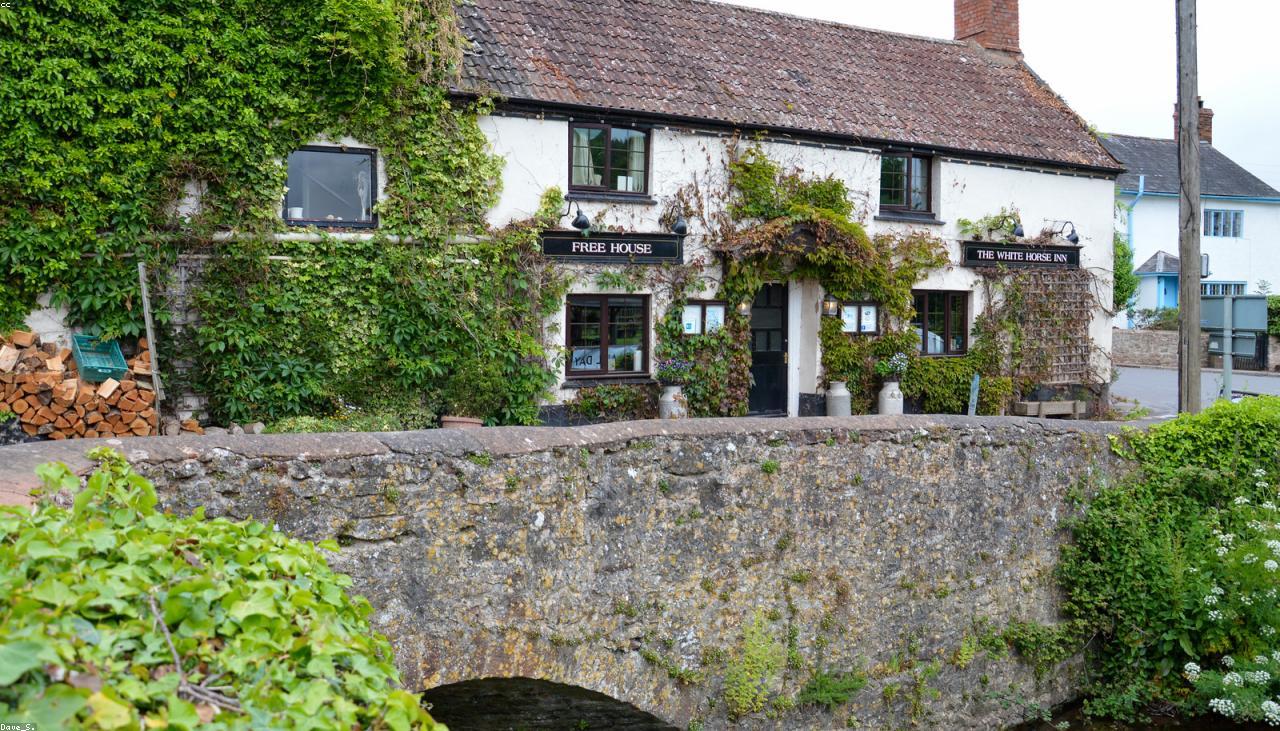
Historic Pubs in the UK: What Operators Need to Know
Last updated: 11 April 2026
Running this problem at your pub?
Here's the system I use at The Teal Farm to fix it — real-time labour %, cash position, and VAT liability in one dashboard. 30-minute setup. £97 once, no monthly fees.
Get Pub Command Centre — £97 →No monthly fees. 30-day money-back guarantee. Built by a working pub landlord.
Most historic pubs fail not because of their age, but because operators treat them exactly like modern venues. A 16th-century ale house has Listed Building restrictions, heritage conservation requirements, and a customer base that expects authenticity—none of which show up in standard pub management guides. If you’re running a historic pub, you’re managing heritage, not just hospitality. The challenge is keeping the building standing, maintaining its character, and still running a profitable business. This guide covers the operational, legal, and financial realities of running a historic UK pub in 2026, based on real-world operator experience and the specific constraints these venues demand.
Key Takeaways
- Historic pubs are legally defined by age, Listed Building status, or heritage designation, and require conservation approval for any structural or aesthetic changes.
- Listed Building restrictions mean you cannot alter windows, doors, fireplaces, or internal layouts without Listed Building Consent, which can take 4-8 weeks and cost thousands in surveys.
- Historic pubs face unique operational challenges including poor electrical infrastructure, difficult cellar access, limited kitchen space, and higher maintenance costs than equivalent modern venues.
- Staff training in heritage pubs must include authentic hospitality standards, historical context, and customer communication about building constraints—not just standard bar procedures.
What Defines a Historic Pub in the UK
A historic pub is legally any licensed venue with documented existence before 1950, Listed Building status, or Heritage Register designation. But in practice, the term covers three distinct types: pubs dating to medieval times (pre-1500), Georgian and Victorian ale houses (1700–1900), and interwar and 1930s-1950s venues that have retained original character. The distinction matters because a 15th-century timber-frame pub has completely different structural constraints than a Victorian building—and both differ fundamentally from a 1920s Art Deco venue.
In 2026, the UK has approximately 4,500 pubs on the Historic England Register or equivalent regional heritage listings. Many more fall outside formal designation but retain significant architectural or cultural heritage. The most common historic pub types are: coaching inns (roadside accommodation venues from the 18th–19th centuries), market town ale houses (community gathering points, often on high streets since the 1600s), and rural estate pubs (built on private land as estate facilities or workers’ venues).
The key operational insight: a pub’s historic status is not a marketing advantage until you understand what it actually costs to operate. Many new licensees romanticise running a historic pub—exposed beams, original flagstone floors, fireplaces—and underestimate the financial burden of maintaining a building that was designed centuries before modern plumbing, electrics, or food safety standards existed.
Listed Building and Heritage Compliance
If your historic pub is a Listed Building, any external or internal structural alteration requires Listed Building Consent from your local planning authority. This includes replacing windows, repainting woodwork in a different colour, removing or altering fireplaces, knocking through walls, or changing internal layouts. Listed Building Consent is separate from planning permission and is mandatory—breaching it is a criminal offence.
The process typically takes 4–8 weeks and requires a professional surveyor’s report detailing the work and its heritage impact. Costs start at £500–£1,000 for a survey and can reach £5,000+ for complex alterations. If you’re planning kitchen upgrades, new toilets, disabled access modifications, or even installing modern EPOS systems that require structural changes, you need Listed Building Consent before work begins.
Common issues that require consent:
- Replacing or altering original windows (even like-for-like replacements often need consent)
- Painting original stone or woodwork in non-heritage colours
- Installing modern signage on the building exterior
- Removing or blocking original fireplaces
- Internal wall removal or reorganisation
- Installing new bathroom or kitchen facilities if visible externally or affecting building structure
What many operators don’t realise: Listed Building Consent and planning permission can have conflicting requirements. Planning may require disabled access ramps, but Listed Building rules may forbid external alterations. Resolving this typically requires negotiation with both authorities and specialist conservation architects—adding time and cost. If you’re considering buying a historic pub, budget £2,000–£5,000 annually for compliance-related professional advice alone.
Conservation Area designation adds another layer. Even if your building isn’t individually listed, if it’s in a Conservation Area, external works, tree removal, and satellite dishes may need Conservation Area Consent. Check your venue’s status with the local planning authority before purchasing or planning renovations.
Operational Challenges Unique to Historic Venues
Building Infrastructure and Systems
Historic buildings were never designed for modern pub operations. Electrical wiring in pre-1950s pubs often cannot handle simultaneous bar, kitchen, heating, and lighting loads. I’ve seen venues with 60-amp supply curves attempting to run modern EPOS terminals, commercial fridges, and kitchen extraction all at peak service—and the result is constant circuit breakers tripping and lost trading time.
The most common infrastructure failures in historic pubs are: undersized electrical supply, poor water pressure, inadequate drainage, and cellar flooding. A full electrical rewire in a Listed Building costs £8,000–£15,000 and requires Listed Building Consent. Water systems often involve Victorian pipework that corrodes and restricts flow. Cellars—typically built into the building’s foundation—may flood during heavy rain because original drainage systems are either blocked or undersized for modern volumes.
Plumbing upgrades for modern food safety (separate hand-washing sinks, commercial-grade cold storage) frequently mean breaking walls or lifting floors—both requiring Listed Building Consent. Kitchen space in historic pubs is almost always cramped. Victorian and earlier buildings have small service corridors designed for servants carrying trays, not modern 3-person kitchen brigades with industrial equipment.
One practical reality: if you’re choosing an pub IT solutions guide for a historic venue, assume infrastructure upgrades (electrical upgrade, WiFi cabling, networked EPOS) will cost 30–50% more than in a modern building because work must comply with Listed Building rules and existing wiring often cannot be reused.
Heating, Cooling, and Comfort
Historic pubs often have single-glazed original windows, thick stone walls (poor insulation), and limited or no modern heating. In winter, corner tables by windows can be 8–10°C colder than the rest of the pub. In summer, buildings with thick thermal mass take hours to cool. Installing modern air conditioning in a Listed Building is extremely difficult because units require external installation, which may breach heritage rules.
The result: customer complaints about comfort, and higher heating bills because old buildings are thermally inefficient. Modern pubs achieve comfort targets of 19–21°C easily. Historic venues often hover at 16–17°C in winter without significant additional expense—which customers notice and mention in reviews.
Food Service Limitations
If you’re planning to add food or expand food service in a historic pub, expect structural challenges. Kitchens in 200+ year old buildings were never designed for commercial-grade equipment. Open fires, low ceilings, narrow doorways, and inadequate ventilation are standard. Installing commercial extraction (required by Environmental Health for cooking fumes) often means installing external ducting—which requires Listed Building Consent and may be refused because it’s visible on the building facade.
Many historic pubs operate successful pub food events UK by using external catering or limited-menu models, rather than attempting full kitchen renovation. This is often the most cost-effective path for listed venues.
Staffing and Training in Heritage Pubs
Staff in historic pubs need different training than those in modern venues. They’re not just pouring drinks—they’re representing a building with heritage value, and customers expect authentic hospitality standards and knowledge about the pub’s history.
When I’m managing 17 staff across front-of-house and kitchen during peak trading at Teal Farm Pub, Washington, Tyne & Wear, I focus on role-specific excellence. In a historic pub, the stakes are higher because a poor customer experience reflects on the building itself. A rude bar staff member in a modern pub is unprofessional. The same behaviour in a 400-year-old coaching inn creates a sense that the venue doesn’t respect its own heritage.
Pub onboarding training UK must include:
- Basic building history and architectural features (so staff can answer customer questions)
- Why certain areas are cold, why the bar layout can’t be changed, why WiFi is slow (managing expectations)
- Appropriate tone and communication style matching the venue’s heritage character
- Knowledge of local heritage stories, historic events, or the building’s previous uses
- Clear communication about building constraints without sounding like excuses
Training turnover in historic pubs is higher than in modern venues because the work is more demanding—physically tighter spaces, more customer education required, less room for error in handling delicate environments. Budget for higher training costs and expect a 4–6 week ramp-up period before new staff reach full productivity. A pub staffing cost calculator for a historic venue should factor in extended training time and slightly higher wages to retain experienced staff who understand the building’s peculiarities.
Managing Customer Expectations
Historic pubs attract customers specifically because they’re old. But customers often have unrealistic expectations about what old means—they want authenticity, but not actual discomfort, inconvenience, or poor service. Managing this gap is a core operational skill.
The most effective way to manage customer expectations in a historic pub is to communicate building constraints as features, not problems. A customer who understands “We’ve kept the original Georgian windows, which means the corner table is colder but you get period-authentic atmosphere” is satisfied. The same customer, told “That corner’s cold because we haven’t replaced the windows yet,” leaves a negative review.
Specific approaches:
- Website and booking systems: Clearly describe building character, seating areas, and any accessibility or comfort limitations upfront. Mention low ceilings, narrow doorways, or step changes before customers arrive.
- Signage and physical communication: Small, tactfully-worded signs explaining why areas are cold, why WiFi is limited, or why certain seating isn’t available create positive perception.
- Staff scripts: Train staff to frame constraints as heritage features. “That table has been in this 300-year-old pub since the 1800s—it’s original and creaks because it’s authentic” is different from “The table’s broken.”
- Booking management: If your historic pub has uneven heating, narrow spaces, or accessibility challenges, note these in your booking system and assign seating accordingly. A customer aware of limitations won’t complain about them.
One operator insight: pub comment cards UK are particularly valuable in historic venues because they capture detailed feedback about comfort, atmosphere, and specific building features. Comments like “cold by the window but loved the original fireplace” tell you exactly what’s driving customer perception. Use this data to adjust marketing (emphasise authenticity for guests who value it) and operations (add blankets or heaters if comfort issues are frequent).
Technology and Systems Integration
Installing modern technology in a historic pub is more complex than in equivalent modern venues. Modern pub management systems work best on reliable electrical supply, high-speed internet, and uninterrupted power—all of which are difficult to guarantee in older buildings.
When selecting an pub management software for a historic venue, prioritise systems with offline functionality. Power cuts, internet drops, and electrical fluctuations are more frequent in older buildings. An EPOS system that stops functioning when WiFi drops will cost you trading time and customer satisfaction. I tested systems at Teal Farm during peak Saturday nights with simultaneous card payments, kitchen tickets, and bar tabs—performance under stress is non-negotiable. Historic venues with older electrical infrastructure have less margin for error.
Practical considerations:
- Backup power: Consider UPS (uninterruptible power supply) systems for EPOS terminals and WiFi routers. Cost is £400–£800 but prevents complete shutdown during power flicks.
- Internet resilience: Historic venues often have poor broadband. Consider dual connectivity (standard broadband + 4G backup) for systems that need constant connection.
- Cabling constraints: Running new cables through listed buildings requires Listed Building Consent if visible. Budget extra for discreet cabling and professional installation.
- Wireless systems: WiFi signal is weaker in thick-walled historic buildings. Invest in mesh WiFi networks rather than single routers to ensure coverage in cellars, kitchens, and back offices.
The real cost of technology in historic pubs isn’t the software license—it’s the infrastructure upgrade required to make that software work reliably. When budgeting for a pub profit margin calculator, factor in 20–30% additional IT infrastructure costs for historic venues compared to modern equivalents. This is a real operational expense that many new operators underestimate.
Frequently Asked Questions
Can I make structural changes to a Listed historic pub?
Only with Listed Building Consent from your local planning authority. Any structural alteration, external change, or visible internal modification requires separate Listed Building Consent (not just planning permission). The process takes 4–8 weeks, requires professional surveys, and costs £500–£5,000+. Breaching Listed Building rules is a criminal offence.
What’s the average maintenance cost for a historic pub?
Historic pubs typically cost 30–50% more to maintain than modern venues due to aging infrastructure, heritage-compliant repairs, and specialist work. Budget £5,000–£15,000 annually for essential maintenance, plus unexpected costs from failures in old electrical, plumbing, or structural systems. Many operators reserve an additional 5–10% of turnover specifically for heritage-related repairs.
Can I modernise a historic pub’s interior without listed building consent?
It depends on what you’re changing. Internal decoration (paint, carpets, furniture) usually requires no consent. Removing walls, altering fireplaces, replacing doors, or changing window treatments typically requires Listed Building Consent. The safest approach is to contact your local planning authority before any work—the cost of a pre-application consultation (£100–£300) is far less than the cost of unauthorised work requiring reversal.
How do I attract customers to a historic pub in 2026?
Position the building itself as the primary asset. Heritage-seeking customers value authenticity, history, and atmosphere over modern comfort. Digital marketing around the building’s history, original features, and local heritage significance drives traffic. Content about the pub’s age, architectural period, and documented history performs well. Food events, heritage walks, and historical storytelling build loyalty among customers who visit specifically for the building experience.
What are the biggest operational mistakes in historic pubs?
The three most common failures: underestimating infrastructure costs (especially electrical and plumbing upgrades), attempting full modernisation without understanding Listed Building restrictions (leading to expensive unauthorised work), and hiring staff without heritage-specific training (resulting in poor customer communication about building constraints). Planning ahead with conservation architects and heritage specialists costs upfront but prevents costly mistakes.
Managing a historic pub involves balancing heritage preservation with modern operations—and that requires systems designed to handle real-world constraints.
Take the next step today.
For more information, visit pub profit margin calculator.
For more information, visit pub drink pricing calculator.
For more information, visit pub staffing cost calculator.